
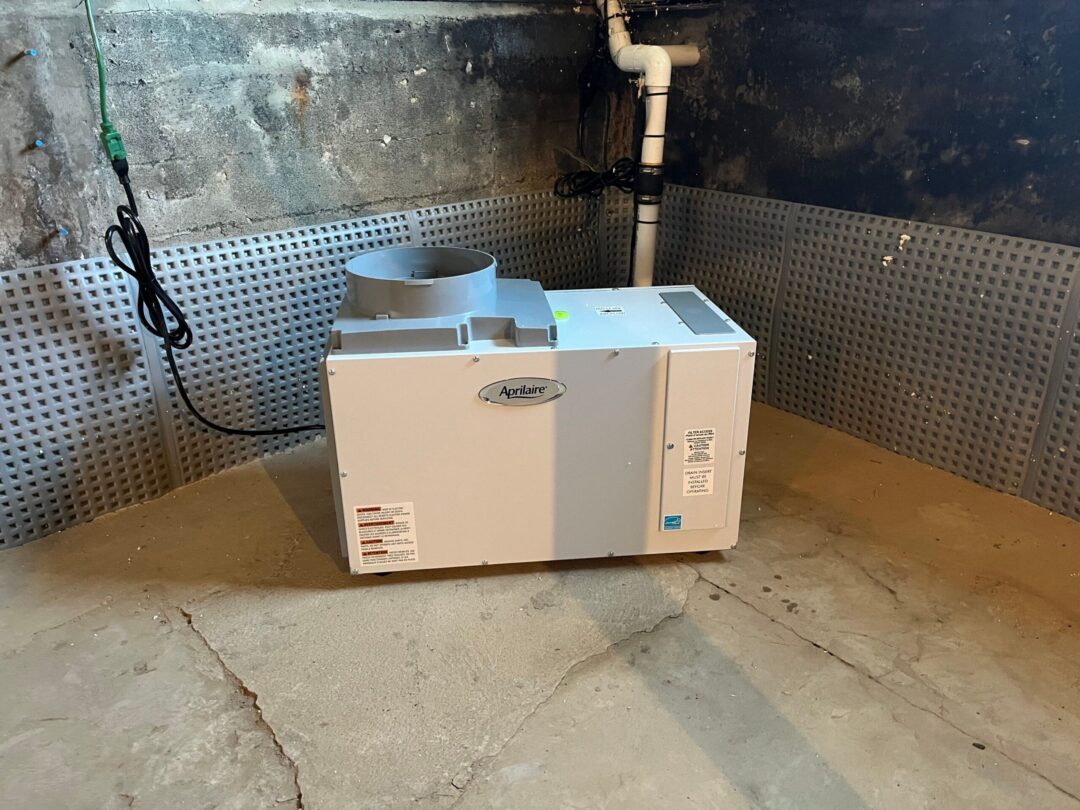
Basements are the top source of humidity in homes, and most people don’t realize it’s the culprit. Basements are not really meant to be dank and moist all the time. Not only is this moisture controllable, but it can actually lead to mustiness, mold, and other water damage issues if it is not handled.
Controlling the humidity in the basement is essential. Ideally, your humidity levels should only be about 30%, but many basements measure at an average of 55% or more. In this article, we will discuss the three main benefits of installing a dehumidifier in your basement and getting your humidity under control!
1. A Basement Dehumidifier Will Prevent Water Damage
When you think about water damage to a home, you likely think it comes just from flooding, extra water in the basement, burst pipes, and other similar causes. But the truth is that excessive humidity from the basement can lead to water damage, too.
Water damage can lead to things like mold, rotting wood, degradation of materials, cracks, and even structural damage over time. You might not notice these things right away, but they do occur; eventually they will have a significant impact on your home or structure.
The last thing you want is a structure that is no longer stable because the humidity in the basement weakened it.
2. A Basement Dehumidifier Will Help Make Your Home Healthier
All that excess moisture in your basement can be detrimental to your health. This is a side effect that you might not even realize stems from the basement. However, the humidity causes things like allergens and even mold to take root.
That musty smell, dust, and other potential contaminants from the humidity lead to allergies, asthma, sickness, and more. These are some of the health-related elements:
- Allergens
- Mold
- Mildew
- Dust and dust mites
- Air quality
- Odors
These could lead to struggles that cause poor health and illness and just make you miserable overall.
3. A Basement Dehumidifier Will Help You Save Money
In the end, a moisture control solution like a basement dehumidifier will help reduce your energy costs. When your home’s humidity is over 30%, this can be taxing on your air conditioning system, making it work much harder to keep up.
When you control or reduce the humidity, this helps your heating and cooling unit’s ability to better keep up with the demands of cooling or heating your home.
In addition to energy costs, you will notice a more inviting overall feel in your home. It won’t have that humidity that can bring you to the brink of discomfort. With reduced humidity, you will have fewer concerns about musty odors or moisture ruining things. The home as a whole will feel more fresh – and likely smell more fresh as well.
And of course you can save money if you aren’t fighting things like cracks, mold, water damage, and foundation concerns, right?
Common Signs You Might Need a Basement Dehumidifier
We’ve shared some benefits, but do you know how to tell when a basement dehumidifier might be needed?
The first sign is often noticeable. If it feels like it is overly humid in your house or in your basement, then it probably is. You can measure humidity with some thermostats or even thermometers that have the function available in them. That is your first sign. However, there are several things that you can look for:
- Dampness in the air
- Floors that feel damp or even muddy
- Condensation on walls, surfaces, trim, etc.
- Spots that look like mold
- Odors, particularly damp and musty smells
- Growth of mold or mildew
- A humidity reading over 50%
The recommended humidity level is 30% and under. However, you can likely get away with 30-50% without major concerns. Any humidity level over 50% needs to be addressed quickly.
Let Drycrete Help With Your Basement Moisture Control Needs
If you’re noticing moisture or dampness in the basement, you should consider a basement dehumidifier or moisture control system to get it under control. The sooner you take action, the less likely you are to face health ailments or damage issues from the humidity.
Drycrete Waterproofing has been working with waterproofing and basement moisture solutions for more than 30 years. We’re here to help you find the best option. Contact us today to discuss your needs!
Basement Dehumidifier FAQs
What are the benefits of a dehumidifier in a basement?
A basement dehumidifier helps reduce excess moisture in the air, which can make the space feel more comfortable and help control musty odors. Maintaining appropriate humidity levels can also help limit conditions that encourage mold and mildew growth and reduce condensation on cool surfaces. However, a dehumidifier does not fix water intrusion or foundation leaks, which need to be addressed at the source.
What humidity level should a basement be kept at?
Aim to keep your basement’s relative humidity between 30% and 50%. A simple hygrometer can help you monitor moisture levels and determine whether a dehumidifier is needed. If humidity regularly exceeds 50%, you may notice condensation, musty odors, or conditions that encourage mold and mildew. If moisture remains high despite using a dehumidifier, investigate possible leaks or water intrusion.
Where should you put a dehumidifier in a basement?
Place your dehumidifier in an area with consistently high humidity and good air circulation, ideally where air can move freely around the unit. Keep it away from walls and obstructions according to the manufacturer’s clearance recommendations, and position it near a suitable power outlet. If your unit has a continuous drainage option, make sure the hose can drain properly. For larger or divided basements, you may need to consider airflow and humidity levels in different areas.
Will a basement dehumidifier get rid of musty smells?
A basement dehumidifier can help reduce musty smells caused by excess humidity by making the environment less favorable for mold and mildew growth. However, it will not remove the underlying source of an odor if there is active mold growth, a plumbing leak, or water entering through the foundation. If the smell persists after humidity levels improve, investigate the cause and address any moisture problems rather than relying on the dehumidifier alone.