Basement waterproofing in Massachusetts and Rhode Island

Expert Basement Waterproofing

A wet basement isn’t just an inconvenience. It’s often a warning sign of water problems that can damage your foundation, lower indoor air quality, and hurt your home’s value.

At Drycrete Waterproofing, we design and install systems that stop water at the source. Whether you’re dealing with seepage, humidity, or a flooded basement, our solutions are built to keep your basement dry permanently.

wet and moldy basement: The hidden causes

Hydrostatic pressure

Every basement is essentially a bowl in the earth. Depending on what material you build that bowl into (rock, clay, etc.), water can seep in and have issues draining or percolating. That’s when hydrostatic pressure builds. Water seeps down the foundation into that hole where it was dug. It can’t percolate or drain fast enough and hydrostatic pressure builds, forcing the water up into your basement.

Seepage

Seepage comes through from side walls or from where your walls meet your floor. When it rains and water is coming down the outside of your foundation wall it hits the bottom of the wall and starts to seep under that wall and over the concrete slab. 

Wicking

Your basement floor might be sitting on wet clay soil, which retains a lot of water. So even though you’re not flooding, that soil under that old slab is retaining moisture. Concrete is porous so it will wick that moisture through like a sponge causing discoloring. It’s not water that you can mop up, it’s dampness. If you place a cardboard box on top of that it’s likely to form mold and mildew. 

Humidity

Humidity is very heavy and dense. If you open your windows on a summer day all that humidity in the air will come into your home and settle into your basement. This can cause dampness, dark spots, and beading on your floor and walls.

Signs of water damage

Musty or damp smells

Even if your basement looks dry, a persistent odor often means moisture is trapped behind walls or under the floor slab. Left unchecked, it can lead to mold growth and poor air quality throughout the home.

White residue on walls or baseboards

That chalky substance is called efflorescence. It appears when water moves through concrete and leaves behind salt deposits. Efflorescence means water is actively seeping through the foundation, not just a cosmetic issue.

Cracks or water stains

Hairline cracks, discoloration, or streaks along the walls or floor are signs of pressure from saturated soil. This is especially common after heavy rain or snowmelt in Massachusetts and Rhode Island.

Condensation on windows or pipes

Foggy windows, rusted fixtures, or damp wood can all point to high humidity in the basement. Over time, this moisture creates the ideal conditions for mold, rot, and rust.

Water on the floor after storms

If water pools around the edges of the basement or comes up through the slab, hydrostatic pressure is likely forcing it inside. That pressure builds over time and can damage your foundation if not addressed.

What Basement Water Damage Can Do to Your Home

Basement moisture is more than a nuisance. When left untreated, it can compromise structural materials, lower indoor air quality, and lead to expensive repairs. This often happens in places you can’t see until the damage is done.

Here’s what happens when water seeps behind walls, under the slab, or into wood framing:

  • Rotting joists and framing can weaken floors and compromise structural stability

  • Mold growth thrives in humid conditions and can spread into the rest of the home through the HVAC system

  • High humidity damages drywall, flooring, and stored items, making the space unusable

  • Peeling paint, discoloration, and lingering odors make the basement uncomfortable to live in or finish

  • Foundation cracks and shifting may worsen as water pressure builds over time

Repairs are costly, but early intervention can prevent them. Drycrete focuses on stopping moisture at the source to protect your foundation, your living space, and your long-term home value.

Why Basement Waterproofing Is Worth It

Water doesn’t need an invitation to enter your home. Drainage patterns can change without warning, whether from new construction nearby, landscaping shifts, or changes in groundwater flow. Even a neighbor installing a pool or removing trees can alter how water moves through your yard.

If you’ve just moved into a new home, are planning to finish your basement, or want peace of mind for storage or workshop space, waterproofing now can save thousands later. A single heavy storm can lead to damage that’s expensive and difficult to reverse.

Even if your sump pump only needs to activate once, it can pay for itself. Don’t wait for a flood to protect your foundation.

Basement waterproofing System

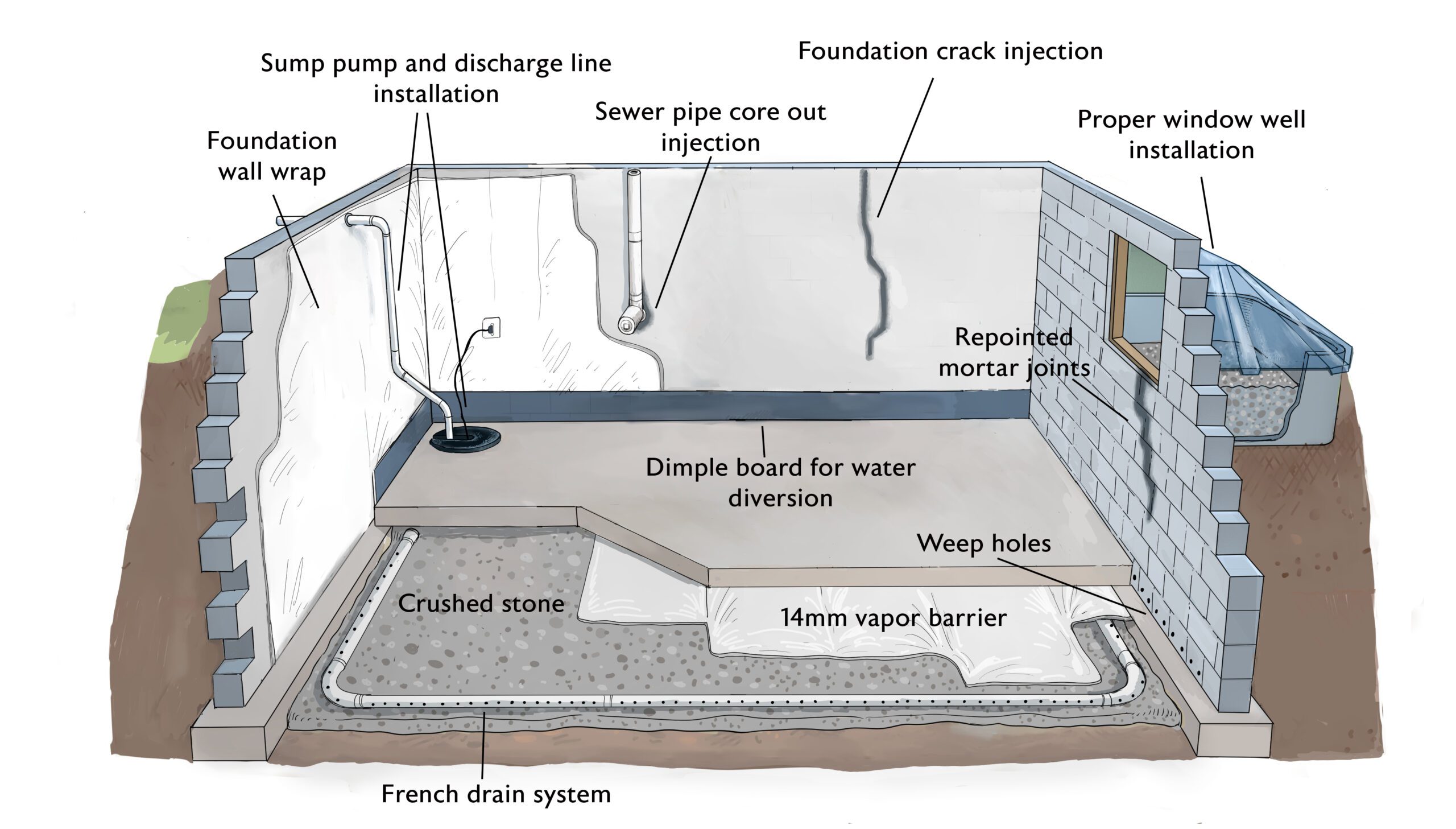
Basement waterproofing isn’t a single fix; it’s a full system designed to manage water before it becomes a problem. Every component plays a role in keeping your basement dry, from interior drainage and sump pumps to vapor barriers and moisture control.

At Drycrete, we build custom waterproofing systems based on your home’s specific needs and conditions. Whether you’re dealing with seepage, humidity, or active leaks, our solutions work together to protect your foundation and keep your basement usable year-round.

The system consists of:

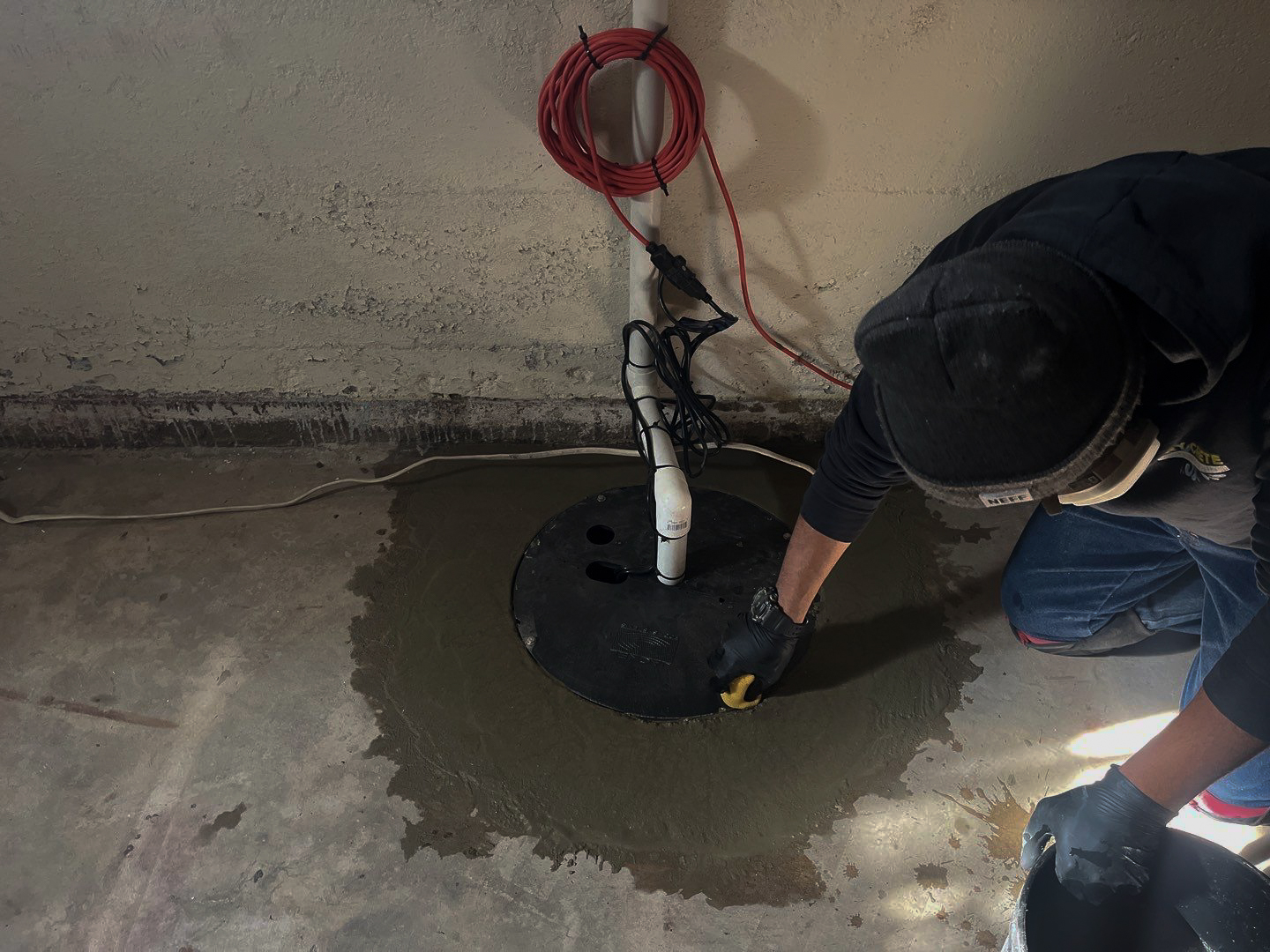
Sump pump

A sump pump is a critical part of any home with a basement. If your basement is susceptible to flooding a sump pump is a necessary, line of defense against water damage. Sump pumps are installed in a sump pit which is usually located in the lowest part of your basement. When water enters the pit, the pump kicks on and begins to pump the water out of the pit and away from your home.

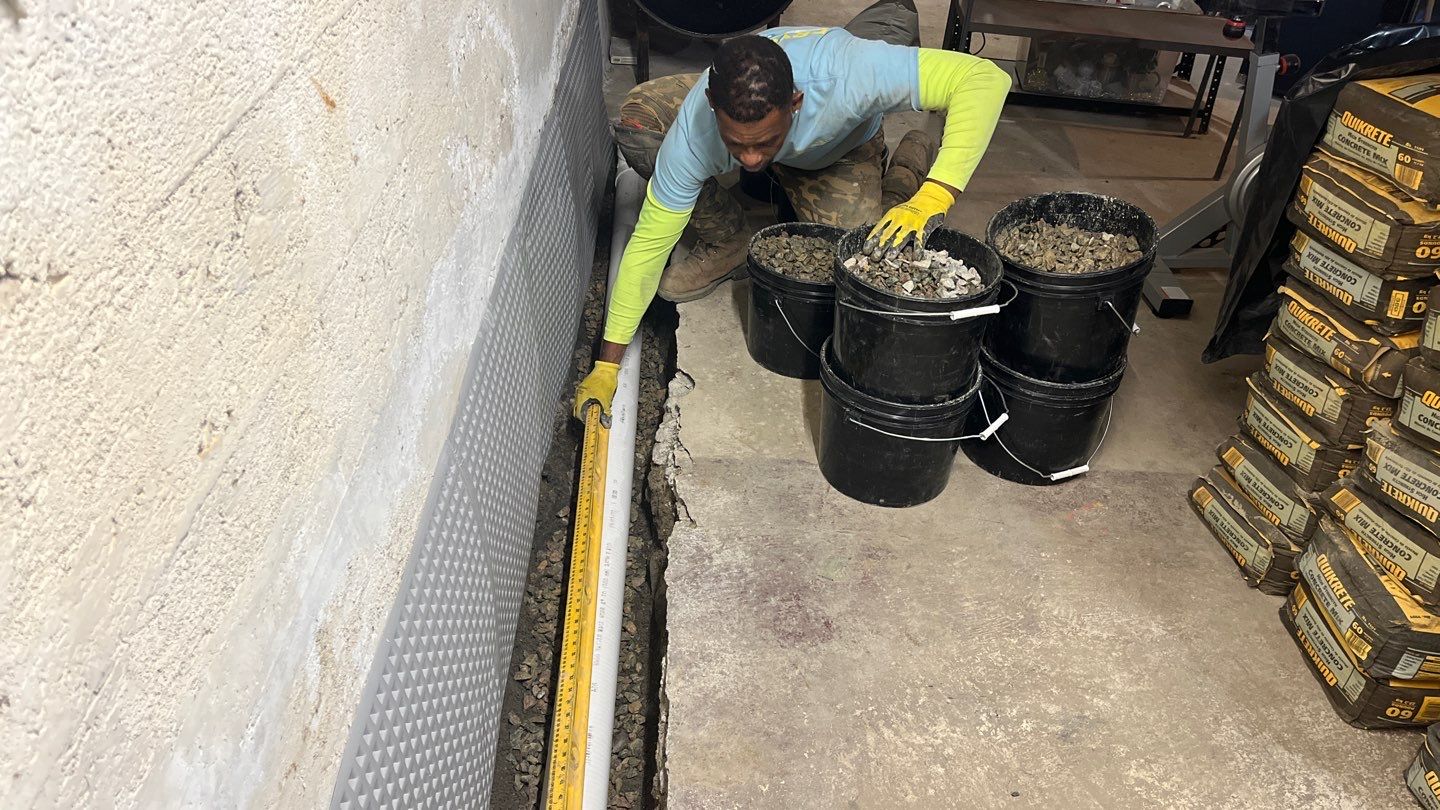
French Drain (Interior Basement Drain)

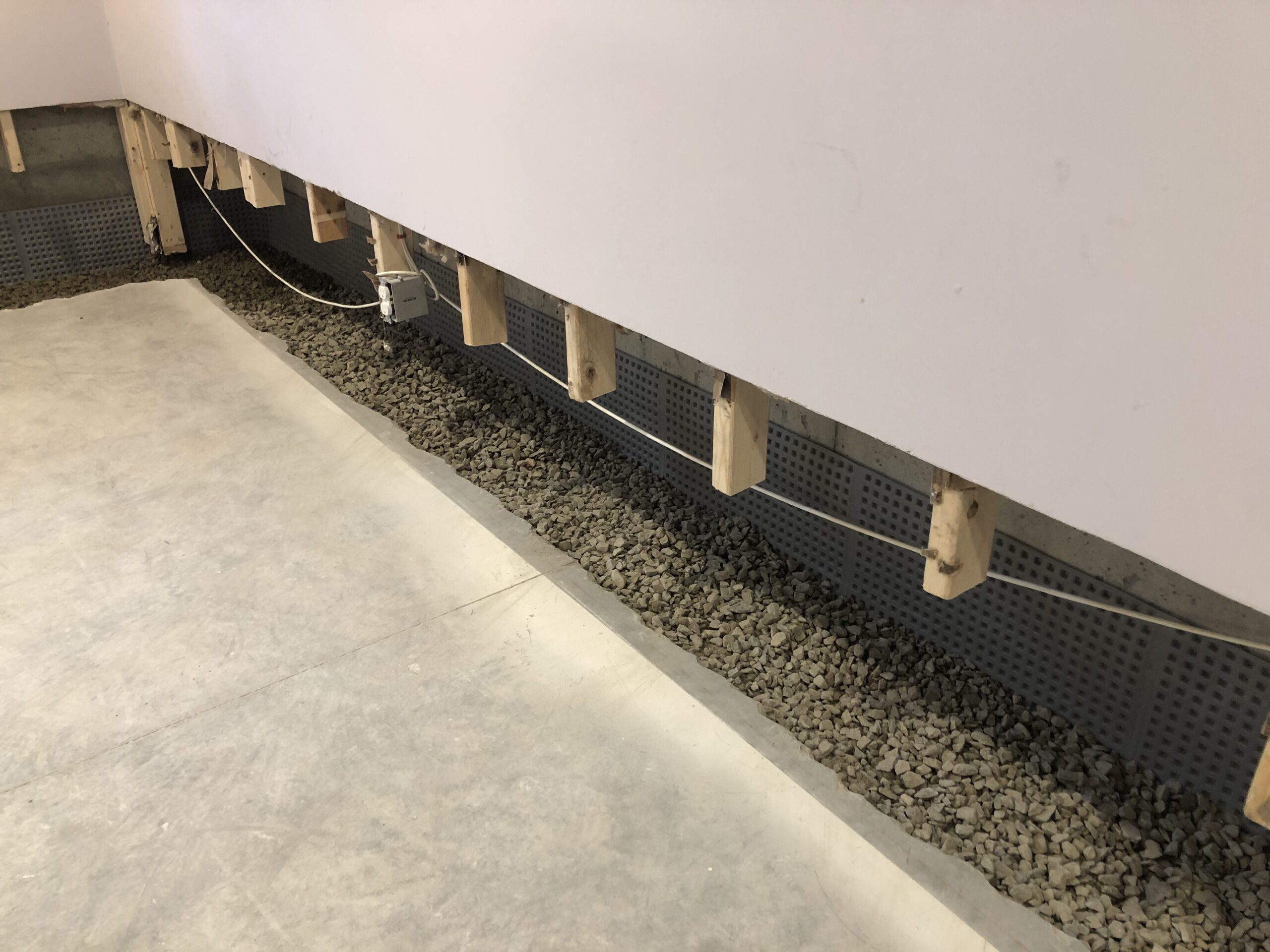
If your home has a basement, it is important to have a properly functioning interior basement drain. This interior French drain is an effective method to collect and remove water that seeps through the basement walls or floor. Without a properly functioning interior basement drain this water can cause serious damage to your home.

Concrete Slab

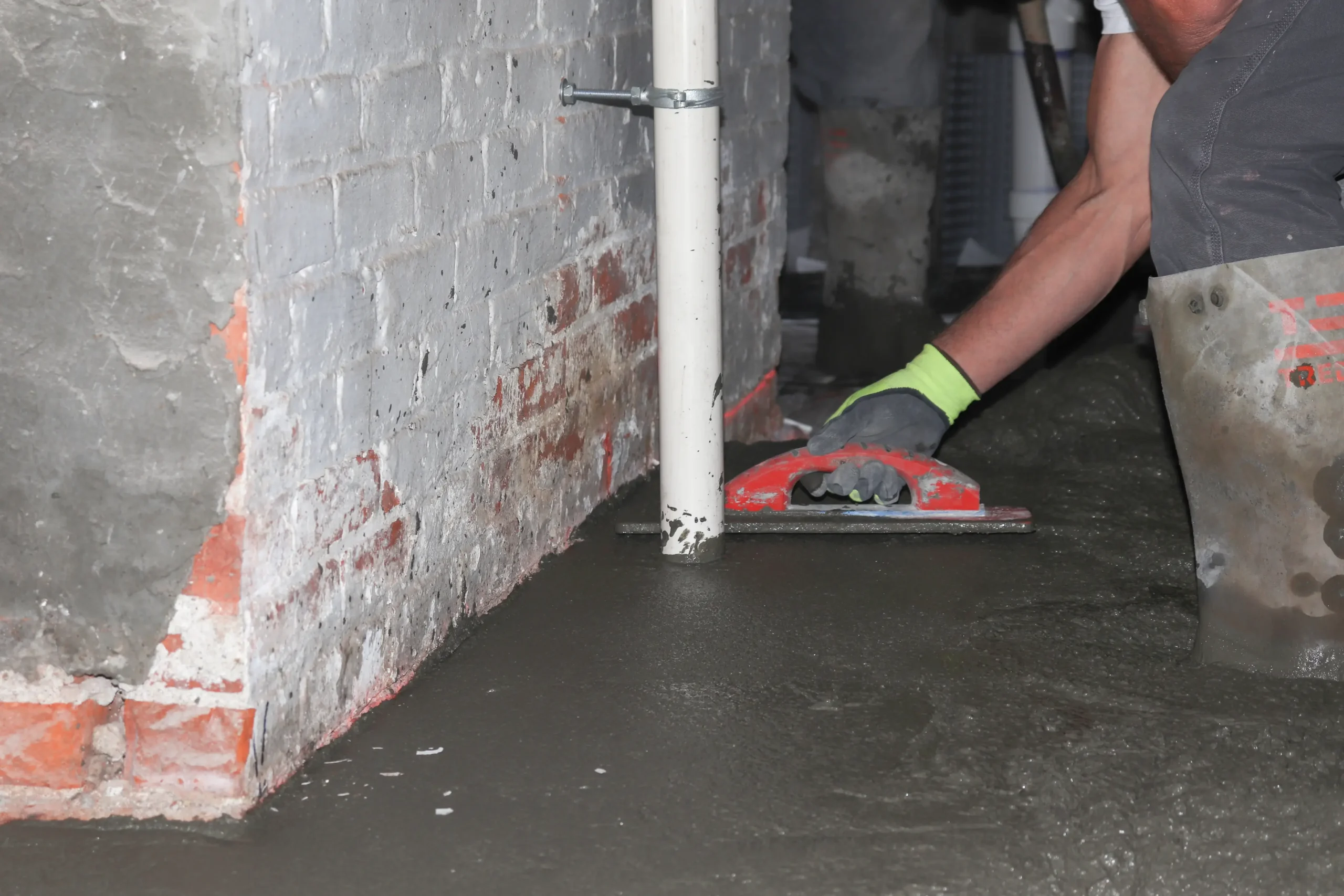
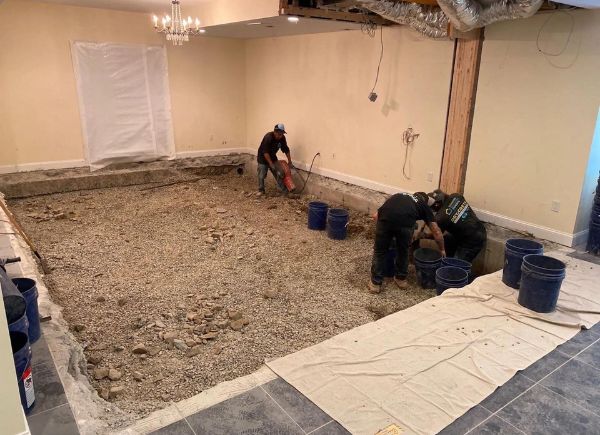
Your concrete slab provides protection from rodents and other pests entering your home, however, proper preparation before pouring your slab can make the difference between a damp and dingy basement, and a dry and conditioned living space. Concrete is porous so it will wick water from the substrate below like a sponge, leaving your basement floor damp. Drycrete can remove your slab, get rid of the damp soil from being in contact with the concrete, put down crushed stone, put down a 14-mill vapor barrier then pour a brand new slab. That way no moisture under the ground has any way of penetrating into that concrete.

dehumidifier

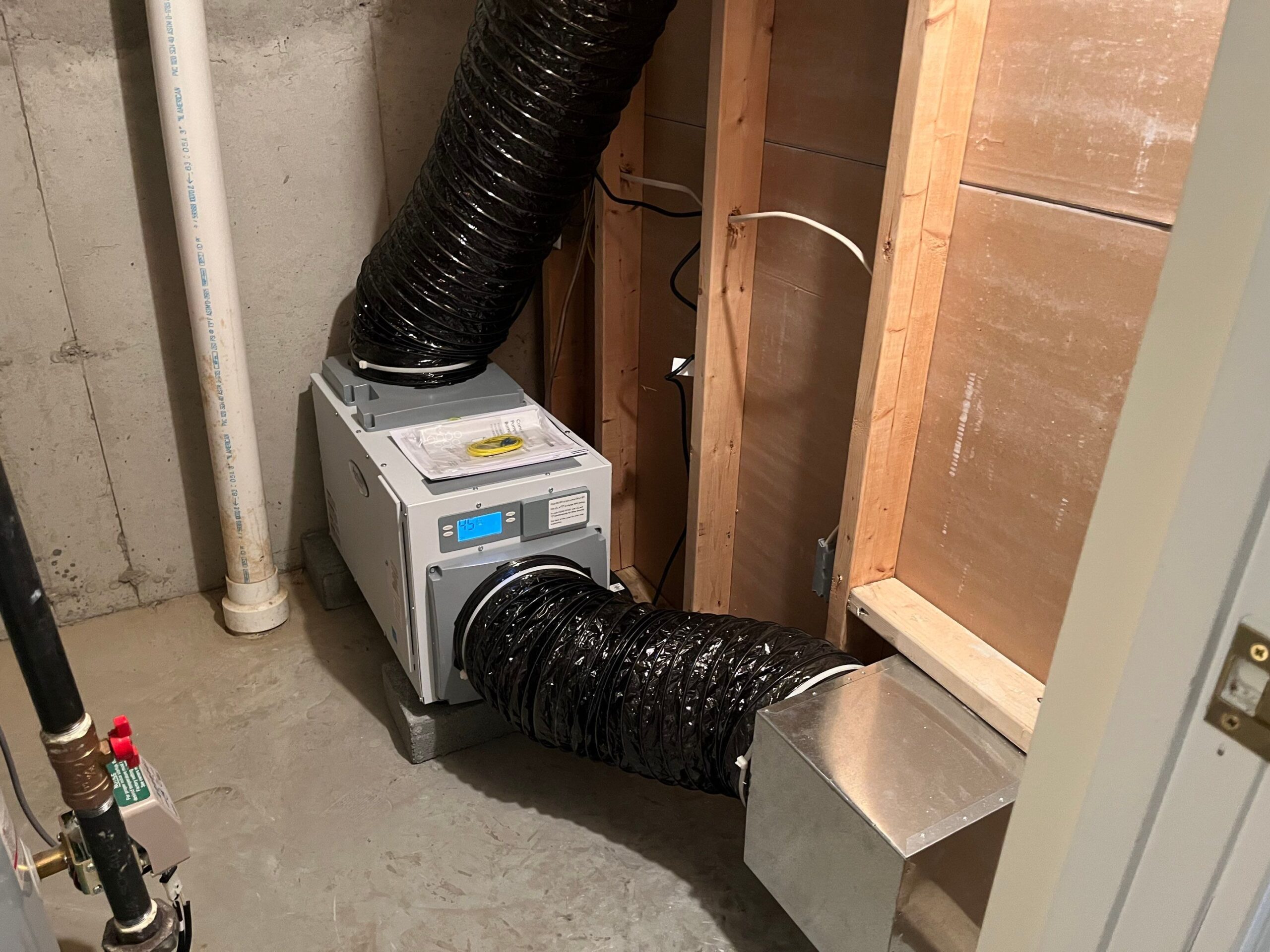
A moisture control system regulates the humidity level in an environment. It prevents mold and mildew from growing and can also help to reduce allergies and asthma symptoms. Some systems use a combination of humidifiers and dehumidifiers to regulate the humidity level while others use a more natural approach such as evaporative cooling. No matter what type of system you choose it is essential to have a moisture control system in place to keep your home or office healthy and comfortable.

Foundation Wall Crack Repair

Foundation wall cracks are a common problem that can lead to serious structural issues if left unchecked. There are a few different ways to repair foundation wall cracks, and the best method will depend on the size and severity of the crack. For small cracks, a simple resin or epoxy can be used to fill them and prevent water from seeping in. For larger cracks, you’ll need a solution such as DRY-SEAL 5000 that will effectively penetrate the crack and pores to stop the leak and repair the damaged concrete. At Drycrete, our foundation crack repair system is so foolproof we guarantee the repairs for as long as you own your home. 
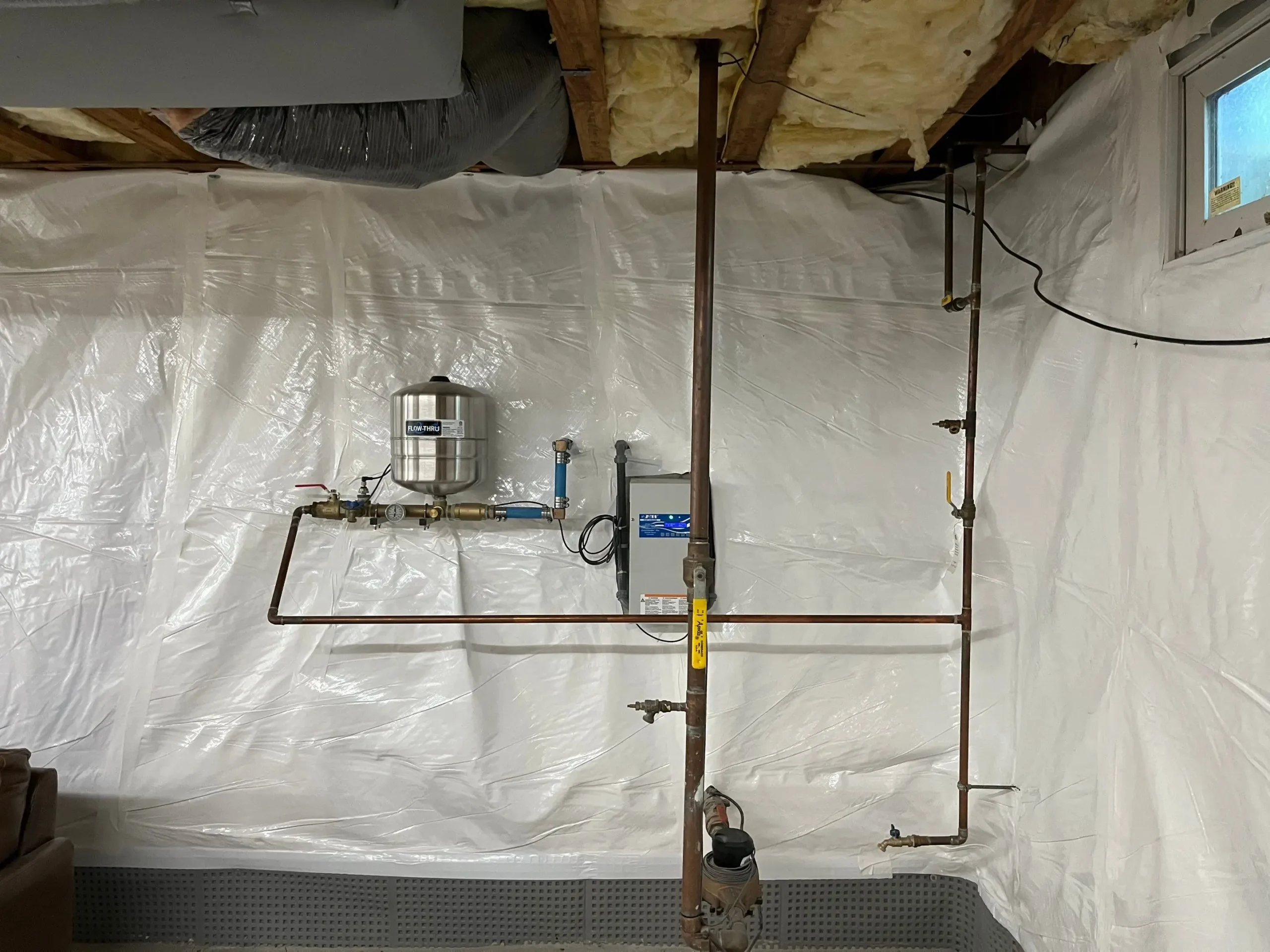
Foundation Wall wrap

Foundations support your property so that it can withstand the elements while maintaining its shape and size. Foundation wall wraps protect your building and they come in a wide range to fit your needs. Whether you’re looking for something durable or lightweight.


What do you want to do with the space?

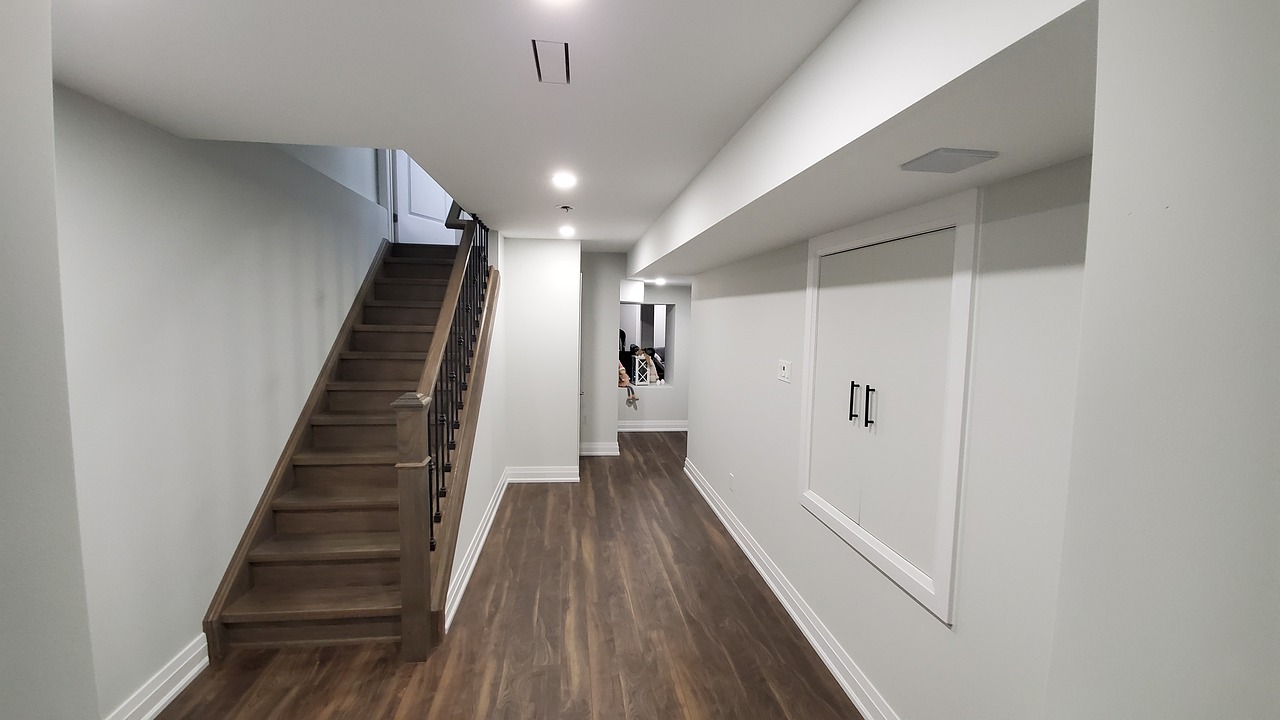
When thinking about basement waterproofing it’s important to ask yourself what you want to do with the space. Not only here and now but down the line. Do you want to stop your basement from flooding every time we get heavy rain? That’s achievable with a French drain and sump pump installation. Maybe you want to repair the cracks in your walls and prevent any further damage. That can be solved with an injection of our DRY-SEAL 5000 Flexible Resin. However, if your plans are to have a dry storage space free from dampness, or a conditioned living area, then that may require multiple components of our basement waterproofing system.

Need Basement Waterproofing in Massachusetts or Rhode Island?

Drycrete has helped over 11,000 homeowners stop basement water problems with reliable systems and lasting results. We don’t believe in shortcuts, just clear solutions, honest pricing, and service you can count on.

Call today to schedule your free basement waterproofing estimate.

Our Featured Work

Look at some of the projects we recently worked on.

Over 11,000 Appreciative Customers

Reviews

5.0

5/5

Over 800 reviews