What to Do After a Record Cold Snap: A Foundation and Basement Checklist for New England Homeowners
Record cold temperatures do their damage without being noticed. While you were keeping warm inside, the ground around your foundation was freezing deeper than usual, moisture in your basement walls was expanding and contracting, and your sump pump was working harder than it was designed to. Now that temperatures are climbing back up, the real work begins. Here is what to check before a small problem turns into a costly repair.
Check Your Foundation Walls for New Cracks
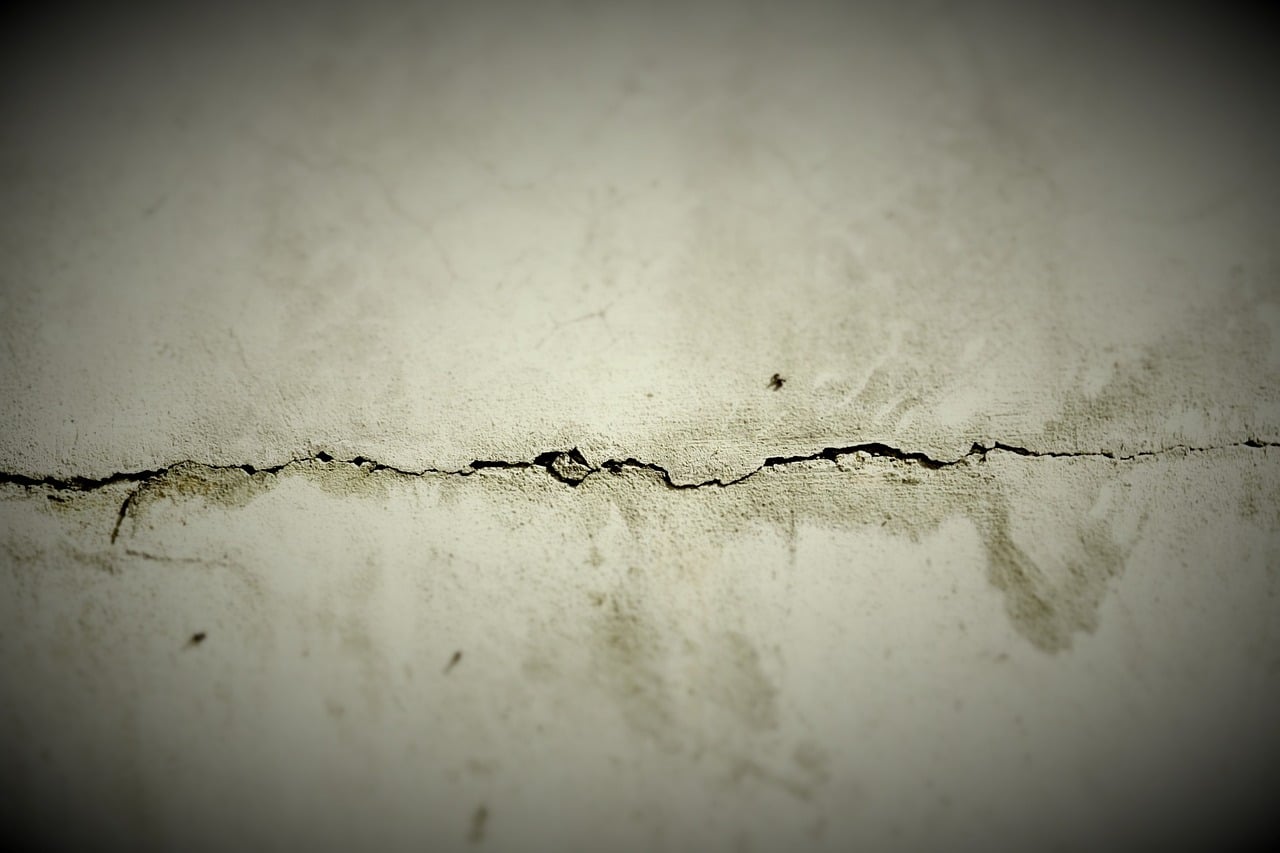
The first thing to do after an extreme cold snap is walk your basement perimeter and look at the walls carefully. Hairline cracks that were not there before a deep freeze are a sign that frost heave has been putting pressure on your foundation from the outside. Pay close attention to corners, the base of the wall where it meets the floor, and any spots where you have noticed moisture in the past.
Not every crack is an emergency, but none of them should be ignored. A thin vertical crack may just be settling, but horizontal cracks or stair-step patterns in block foundations can indicate lateral pressure that needs professional attention sooner rather than later. When in doubt, get eyes on it before the spring thaw adds moisture to the equation.
Watch for Water as the Ground Thaws
The freeze is only half the story. As temperatures rise and the ground begins to thaw, all of the moisture that was locked in the soil around your foundation starts moving again. If record cold temperatures opened up new cracks or widened existing ones, that water now has a direct path into your basement.
In the days and weeks following a deep freeze, keep an eye out for damp spots on basement walls or floors, white chalky residue known as efflorescence, and any musty odors that were not there before. These are signs that water is finding its way in through compromised areas of your foundation.
This is also the time to make sure your interior drainage system is clear and functioning. If you have a French drain, confirm it is not blocked. If you do not have one and you are seeing water intrusion after every thaw, that is a strong signal that your basement needs a more permanent waterproofing approach.
Check Your Sump Pump Before It Matters Most
A record cold snap is one of the most demanding events your sump pump will face. In extreme temperatures, discharge lines can freeze solid, float switches can stick, and pumps that were already aging can fail under the added strain. The problem is that most homeowners do not find out their sump pump is compromised until the spring melt is already sending water into the basement.
Start by checking the discharge line outside your home. If it was frozen during the cold snap, inspect it for cracks or damage now that it has thawed. Then test the pump itself by pouring water into the pit and confirming it kicks on and drains properly. If it cycles slowly, makes unusual noises, or does not respond at all, do not wait to address it.
Spring in Massachusetts and Rhode Island brings heavy rainfall and significant snowmelt in a short window of time. A sump pump that is not fully operational heading into that season is a serious liability.
When to Call a Professional
Some of what you find during a post-cold inspection you can monitor over time. But there are situations where waiting is the wrong call.
If you are seeing horizontal cracks or bowing in your foundation walls, contact a professional immediately. These are signs of structural pressure that do not resolve on their own and get more expensive to fix the longer they are left alone. The same goes for active water intrusion, meaning water that is visibly seeping through walls or pooling on the floor after a thaw. That is not a problem to put on a list for later.
Even if everything looks manageable, a professional inspection after a record cold event is worth considering. Drycrete has been helping Massachusetts and Rhode Island homeowners identify and address freeze-thaw damage for over 30 years. We know what to look for, and we will give you a straight answer about what needs attention now and what can wait.
Do Not Wait for Spring to Find Out What Winter Did
The window between a record cold snap and the spring thaw is actually the best time to act. Problems that are caught now, before heavy rain and snowmelt arrive, are almost always simpler and less expensive to fix than the same problems discovered after a wet spring has had its way with a compromised foundation.
If your post-cold inspection turned up new cracks, signs of moisture, or a sump pump you are not confident in, reach out to Drycrete today. We offer free inspections with no pressure and no guesswork, just an honest assessment of where your basement and foundation stand heading into the most demanding season of the year.
Schedule your free inspection and go into spring knowing your home is protected.