
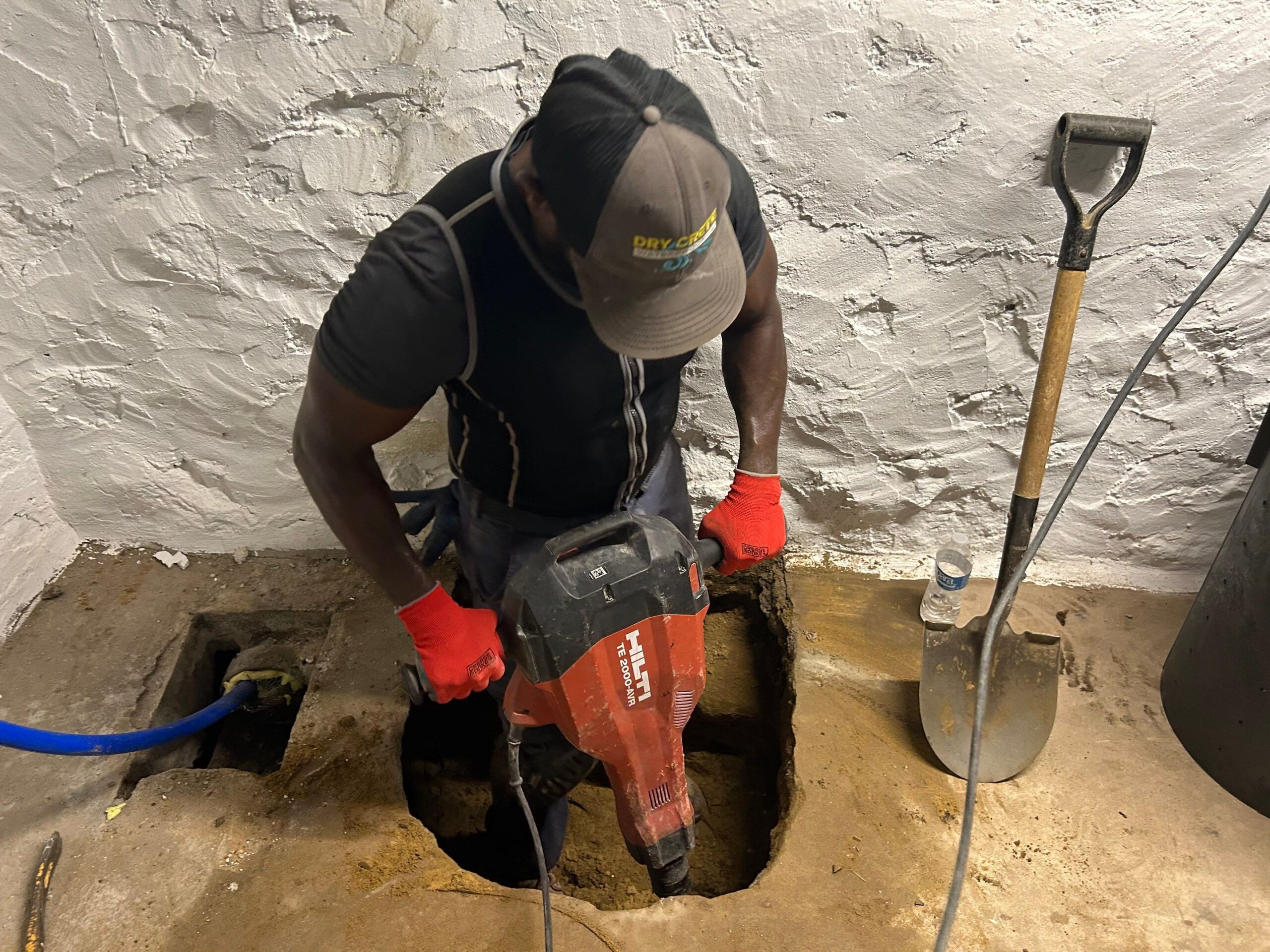
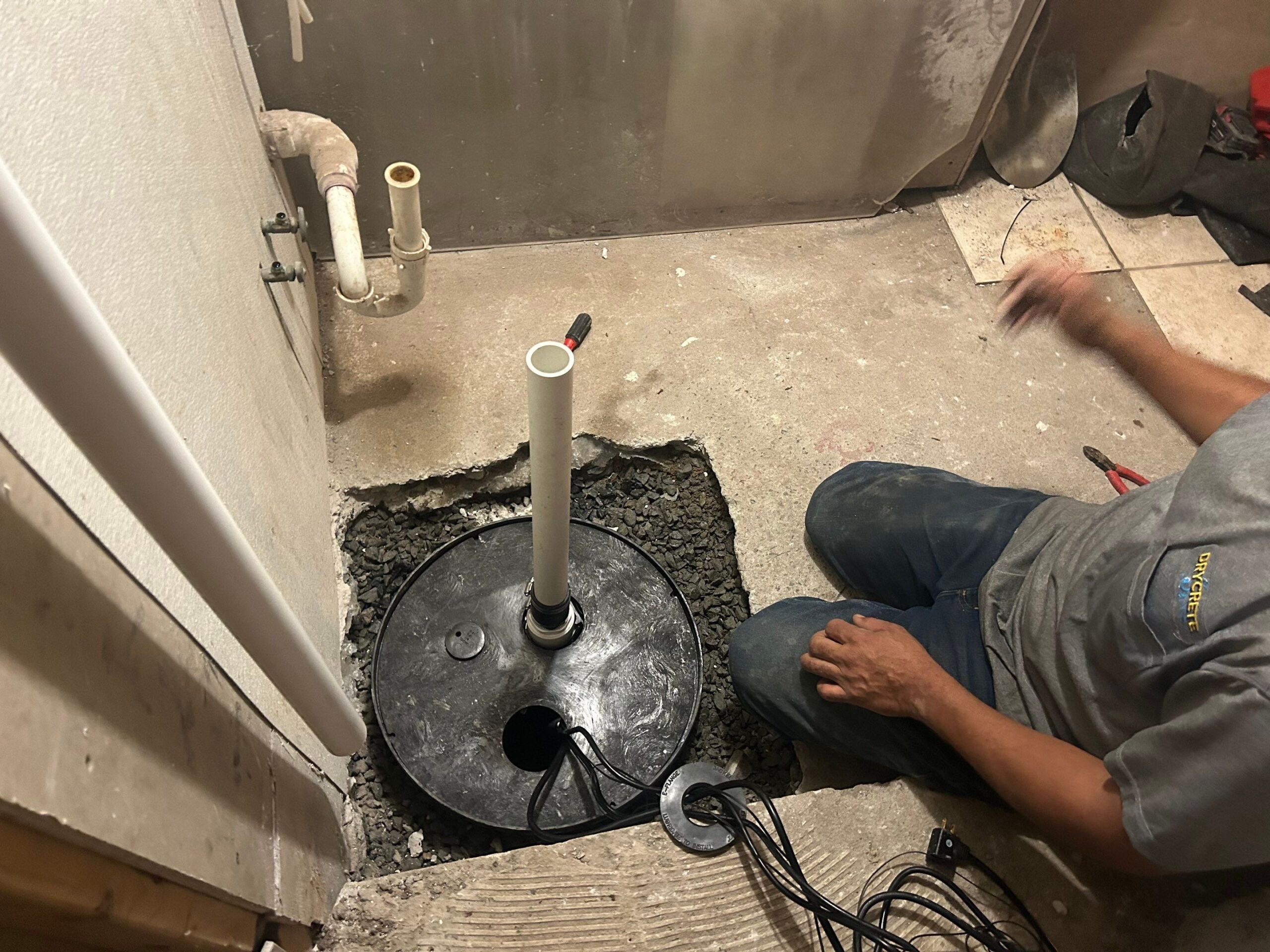
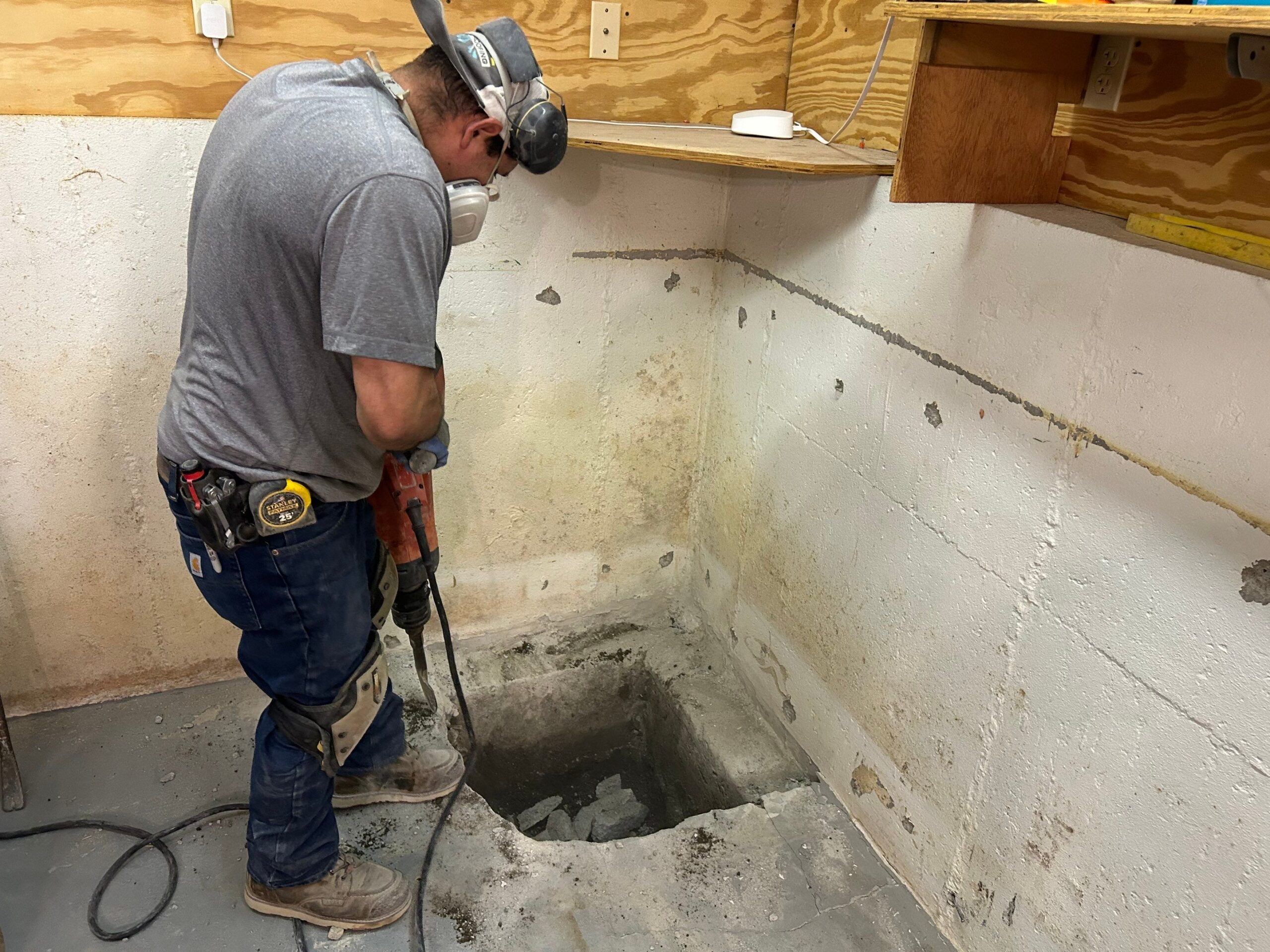
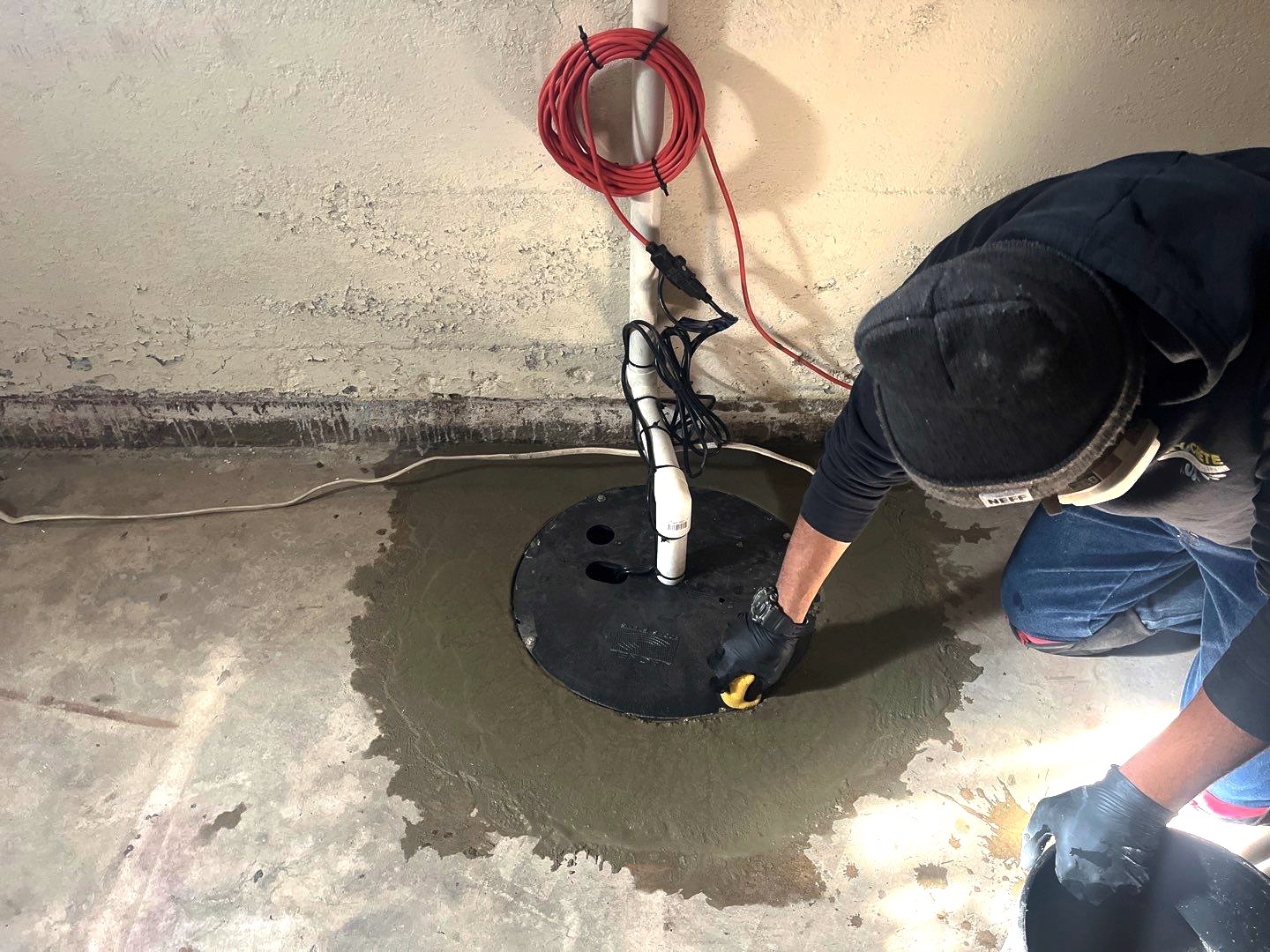
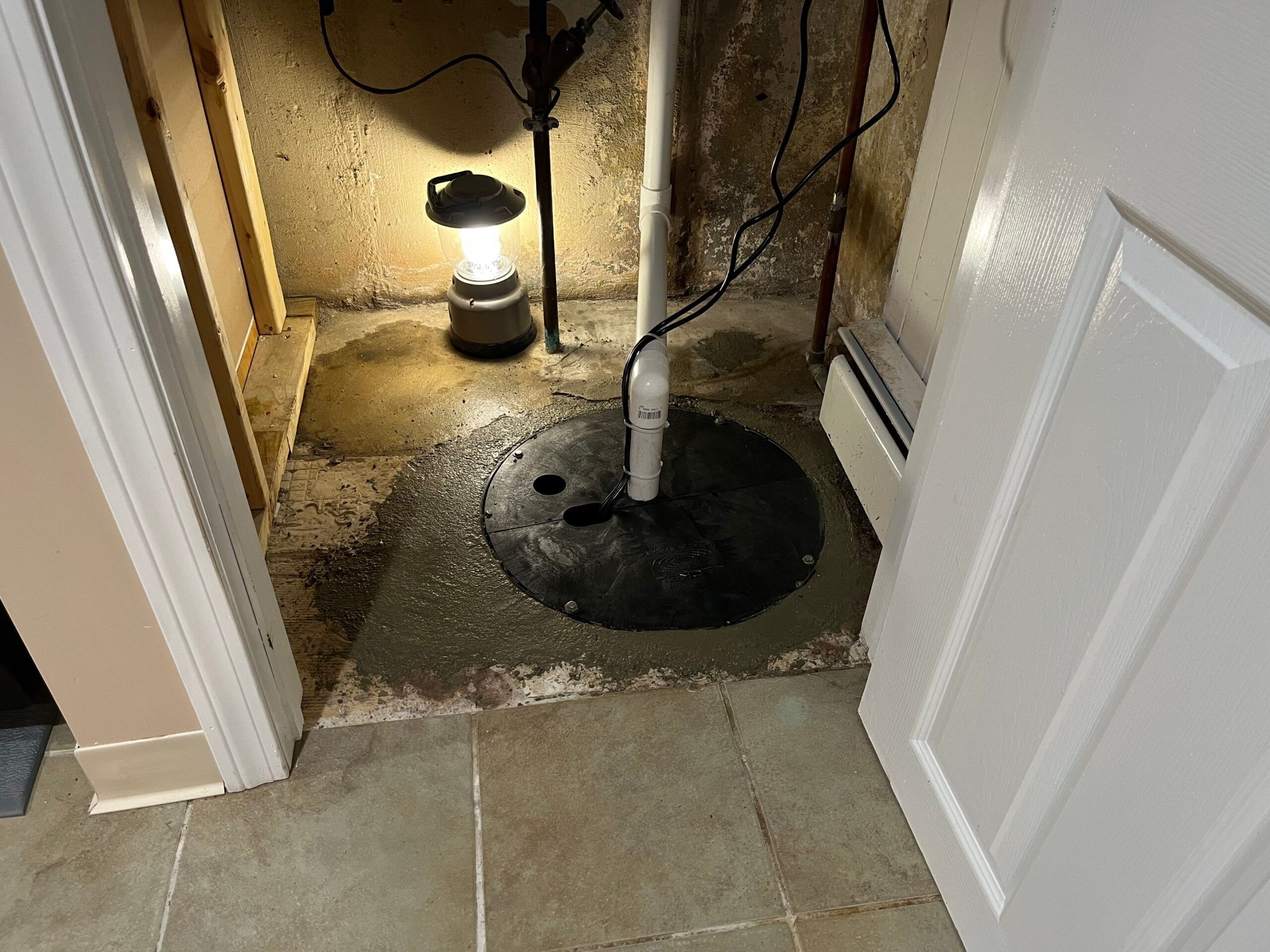
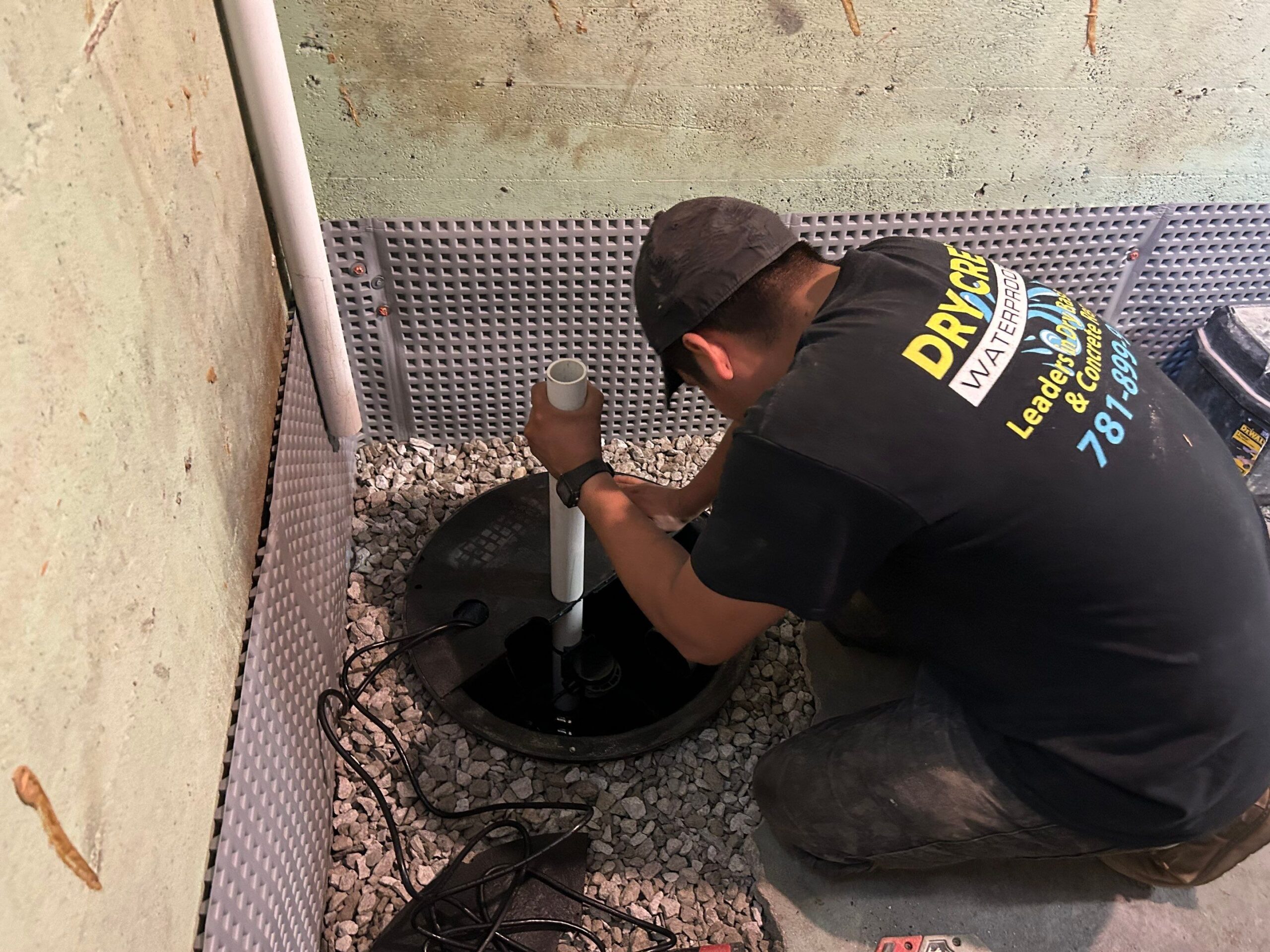

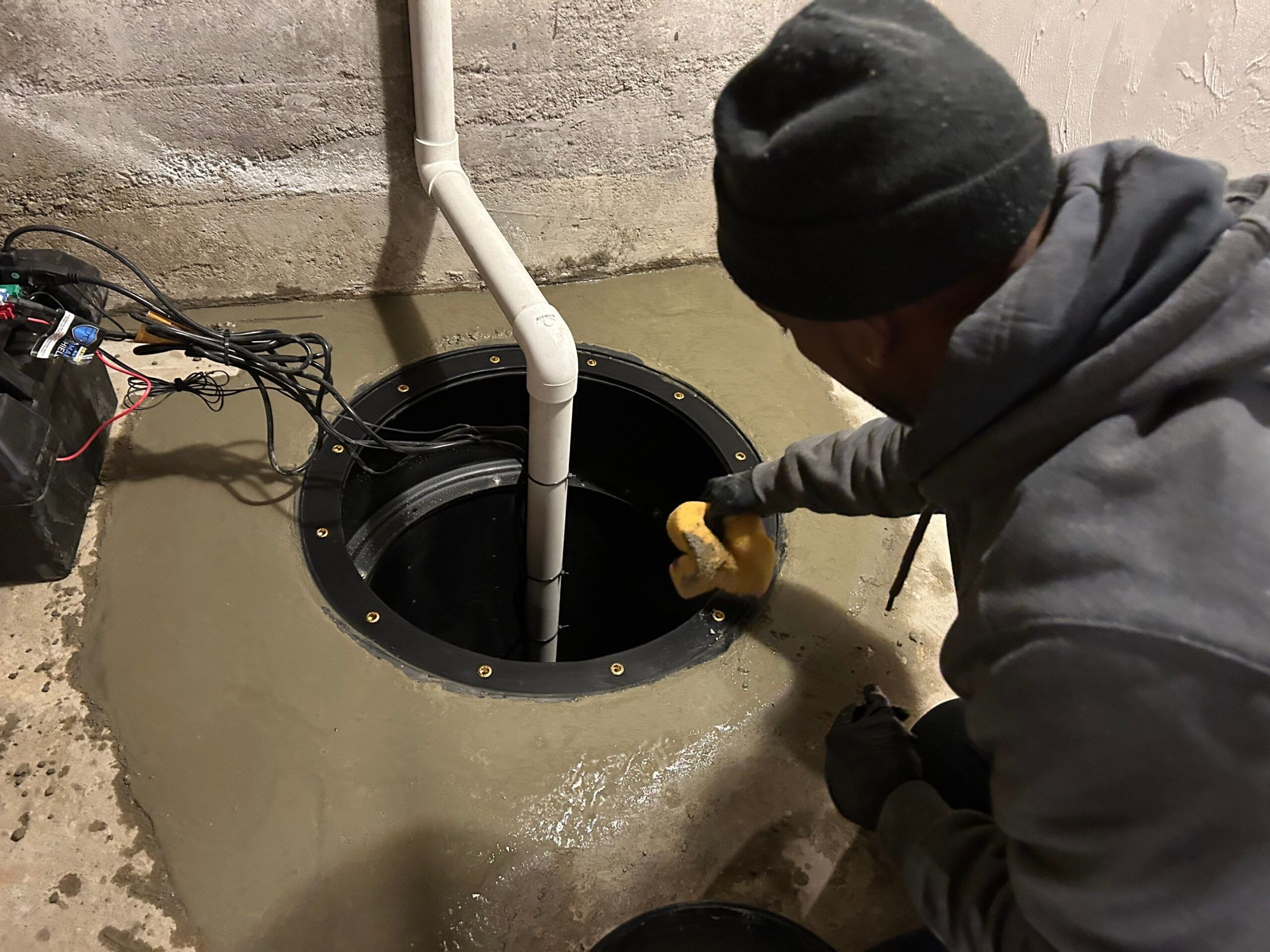


Drycrete did a great job fixing the leak, the technician came in time and explained things very clear and easy to understand. Answered all my questions after job is done. Highly recommended and their price is very reasonable as well compare to other quotes I got.

My husband and I will be Drycrete customers for life. Can’t say enough how much we appreciate Drycrete and specifically the owner, Jason. It’s not often that you find someone who takes such personal care in their clients’ experience and repeatedly goes the extra mile to see that a job is done right and to the client’s satisfaction, and that is exactly what Jason has done for us.
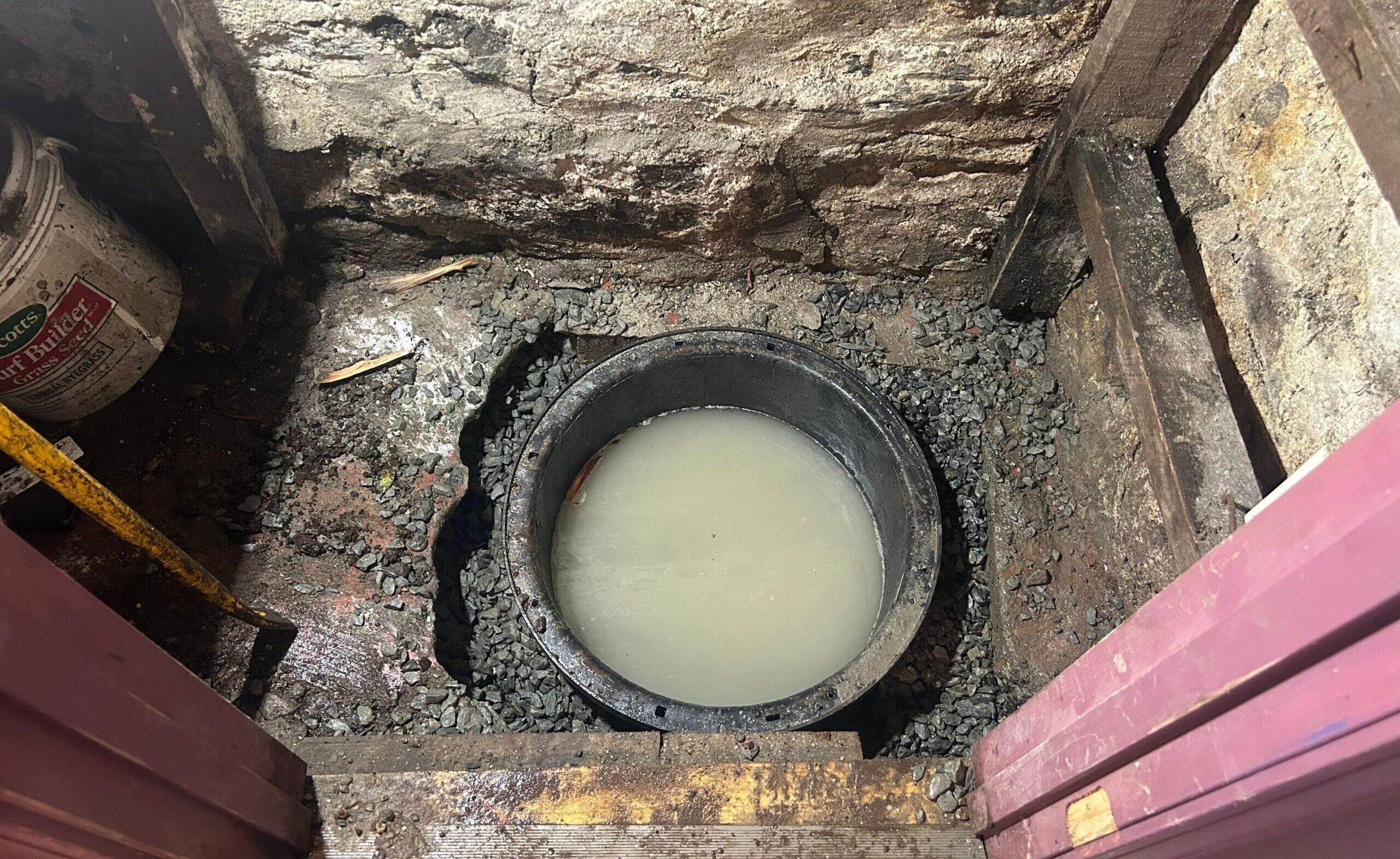
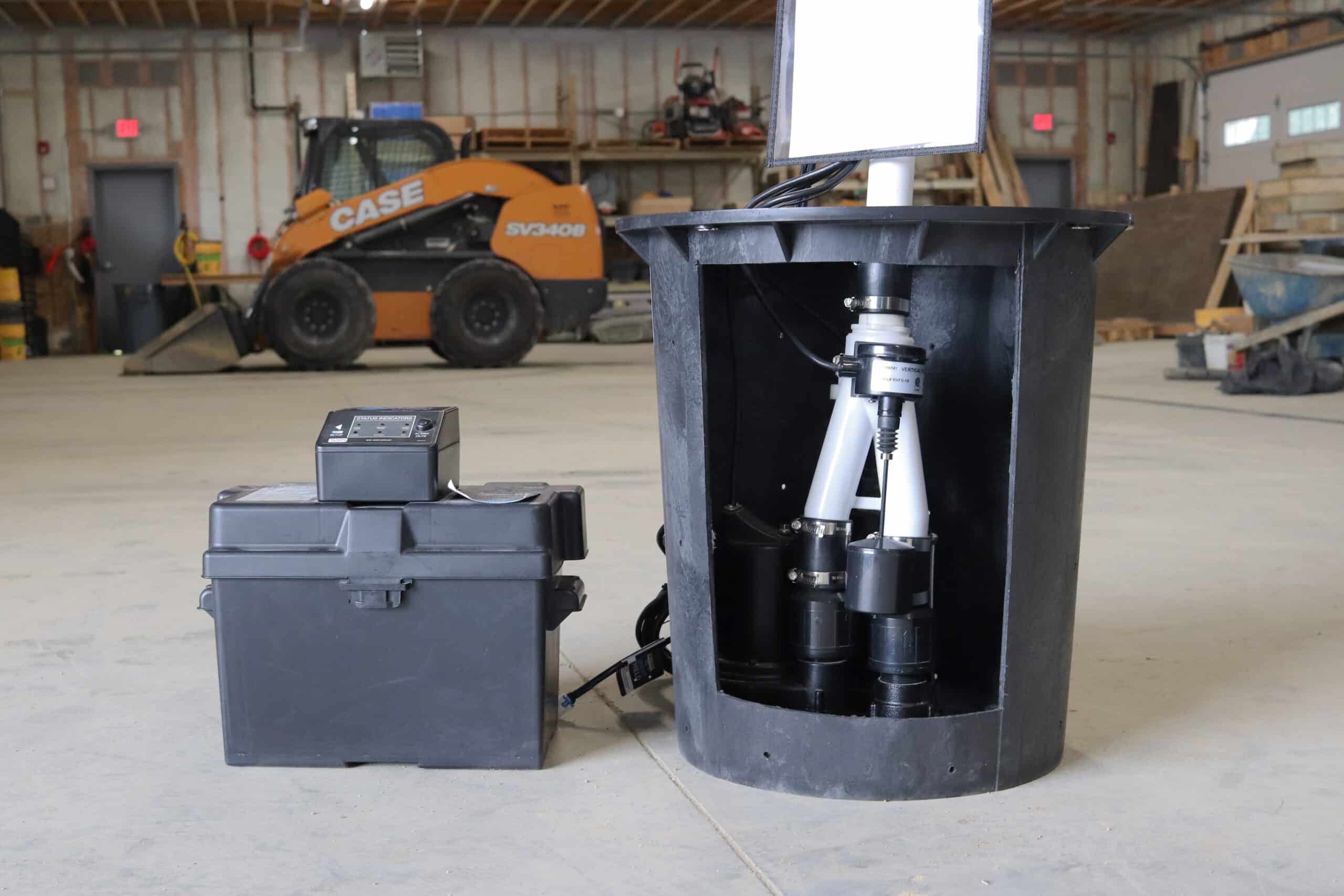
Our house happens to be situated on a very high water table which means that we have a very active sump pump. Jason and his team helped ensure that we have the most effective pump configuration to ensure that we’re keeping the finished basement dry.
The team at Drycrete has been fantastic to work with and as we all know, it always starts at the top. Jason was personally involved in every step of the process, from the initial installation to follow up visits to adjust the float levels as necessary to find the right pumping frequency and has been incredibly responsive and helpful the entire time.
We thank Jason and the entire Drycrete team for their help in giving us the peace of mind that we have a dry basement thanks to the best pumping solution possible for our home.
Our house happens to be situated on a very high water table which means that we have a very active sump pump. Jason and his team helped ensure that we have the most effective pump configuration to ensure that we’re keeping the finished basement dry.
The team at Drycrete has been fantastic to work with and as we all know, it always starts at the top. Jason was personally involved in every step of the process, from the initial installation to follow up visits to adjust the float levels as necessary to find the right pumping frequency and has been incredibly responsive and helpful the entire time.
We thank Jason and the entire Drycrete team for their help in giving us the peace of mind that we have a dry basement thanks to the best pumping solution possible for our home.

Drycrete installed a complete waterproofing system in my basement, replaced the bulkhead and installed new window wells. HIGHLY professional and SUPERIOR work!! I am very impressed with their professionalism and work ethic. Thank you VERY MUCH Alex, Carlos, Sean, Mario, Mike and Brian. Forever grateful!

Great experience with Drycrete! Super knowledgeable and were able to help me with a very unique situation. Strongly recommend!

Steve very cleverly diagnosed a dehumidifier that wasn't working (fan running so it seemed to be working) versus quoting us a very expensive solution as another company had done. Very much appreciated!! Max did a quick, clean, efficient, friendly install of a new dehumidifier two days later.

Drycrete is fantastic!!
They did exactly what they said they would do in a professional and timely manner. What more could you ask for?
The guys were great and they did a fantastic job waterproofing our 12,000 sq ft basement. They sealed cracks and installed dehumidifiers.
This is a great company from the first phone call all the way through. Don't hesitate to contact them.
They did exactly what they said they would do in a professional and timely manner. What more could you ask for?
The guys were great and they did a fantastic job waterproofing our 12,000 sq ft basement. They sealed cracks and installed dehumidifiers.
This is a great company from the first phone call all the way through. Don't hesitate to contact them.

I couldn’t be more satisfied with Drycrete! In March of 2020, 2 days before the world stopped, Drycrete came to my house to fix the water problem that I have had in my home for the last 20 years! Every large storm, I would have water in my basement, leaving me in knee high boots and wet vacs cleaning up the disaster , replacing carpets and repairing walls. After the most recent storm, I reached out to make sure that my pump was still good because I smelled an odor that I couldn’t identify. They sent someone right out, checked the entire system and put me on an annual check from now on! I could not be more pleased with DRYCRETE . Instead of being terrified of rainstorms, I am confident that my house will be safe and dry.

Gian and Max were a pleasure! Great service and super sweet people!!

From start to finish, Drycrete was amazing! Their customer service is fantastic. The team of 7 that did our basement could not have been nicer or worked harder. They finished in one day instead of 2, and the final outcome was amazing! We couldn’t recommend Drycrete more!

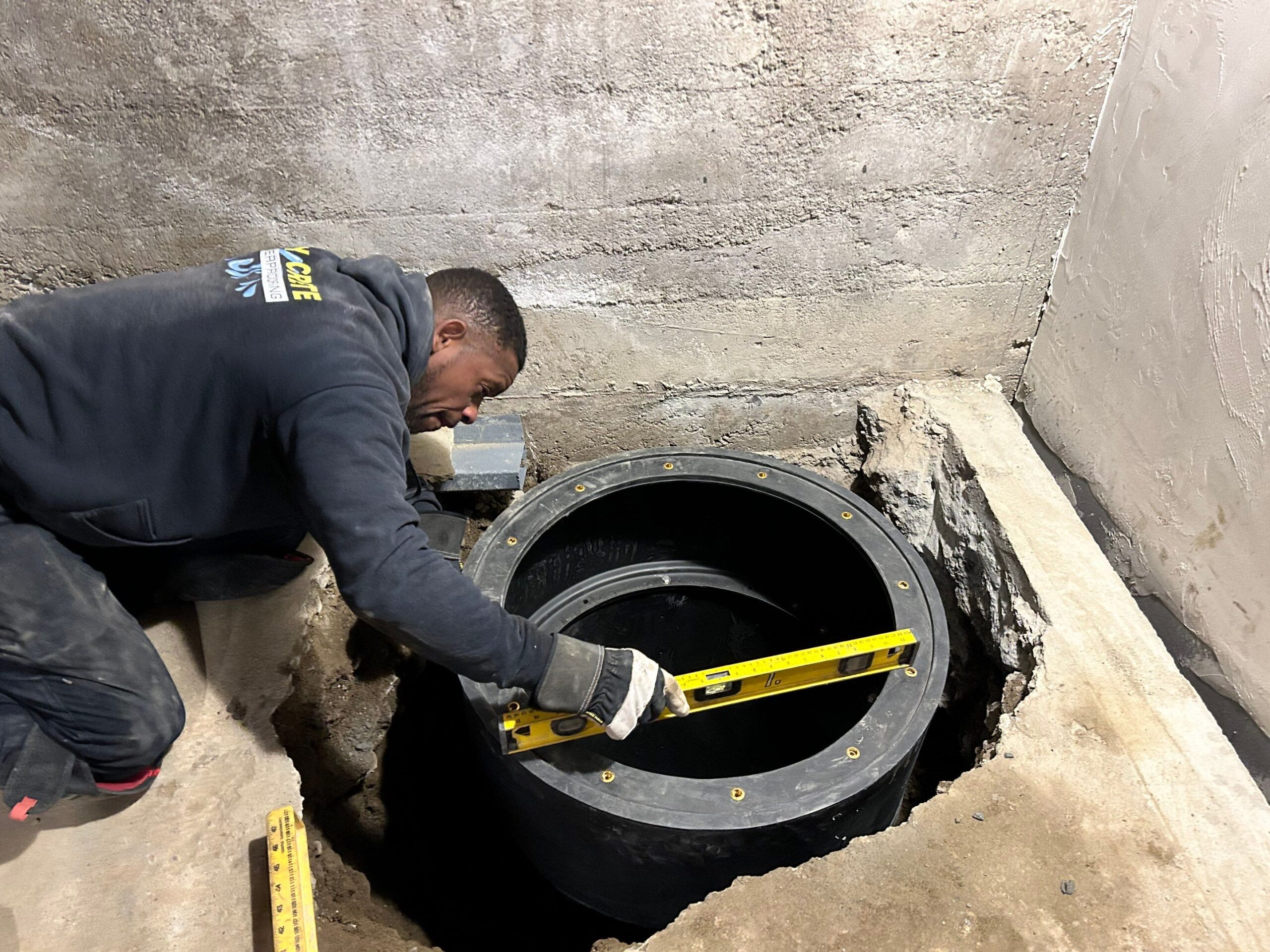
Great customer service! They were very efficient and did a great job installing the pump.


Great service and product.

Great company and work. I used them a few years ago and when it was time to expand my system, I immediately called them. Team was efficient and clean.

They did a great job! Very professional and a delight to work with.

My review isn't much different from anyone else's - these people are consummate professionals who are very, very good at what they do. They did an entire basement dig-out for my customers - we gained 18" of ceiling height and it transformed the space. For such a large, seemingly complex job, they made it look easy (even though I KNOW it was not!) and with so few hiccups. I would use them again in a heartbeat.

Fantastic experience. They're extremely knowledgeable and confident in their work. I got a handful of quotes from other companies large and small, they were the best at assessing and explaining everything, and pricing was actually the most reasonable as well. Would use them again in a heartbeat.

it was a very positive rewarding experience working with this company. I would recommend anybody to use them

Gian arrived promptly. Very knowledgeable and courteous. Explained what he was going to be doing & promptly went to work. Upon finishing, he showed me the work he performed and explained the operation of the pumps and set me up with the application. Very happy with his work and he answered whatever questions I had. I would be happy to recommend Drycrete to anyone who should need water mitigation. Gian is a great asset to your company.

I was very pleased with the project we had completed by Drycrete Waterproofing! Everything from the estimate, to the professionalism of the workers, to the meticulous cleaning they did after they installed our sump pump exceeded my high expectations. I would definitely recommend!

Technicians arrived ahead of time. They were done replacing both sump pumps under an hour. Quality workmanship by a great company. I have been using Jason @ Drycrete since 2015. They are the go to people to keep your basement dry.
J.Long 5/24
J.Long 5/24


The Drycrete Team worked very quickly and did a very professional job on the french drain and sump pump installation along with a drain off in our yard. They cleaned up afterwards and left the yard and cellar clean. I’m unable to comment on functionality until we experience unusual rainfall, though my assumption is that it should work fine!

Gian arrived promptly. Very knowledgeable and courteous. Explained what he was going to be doing & promptly went to work. Upon finishing, he showed me the work he performed and explained the operation of the pumps and set me up with the application. Very happy with his work and he answered whatever questions I had. I would be happy to recommend Drycrete to anyone who should need water mitigation. Gian is a great asset to your company.

Very impressed with the quality of work! Would highly recommend !!