
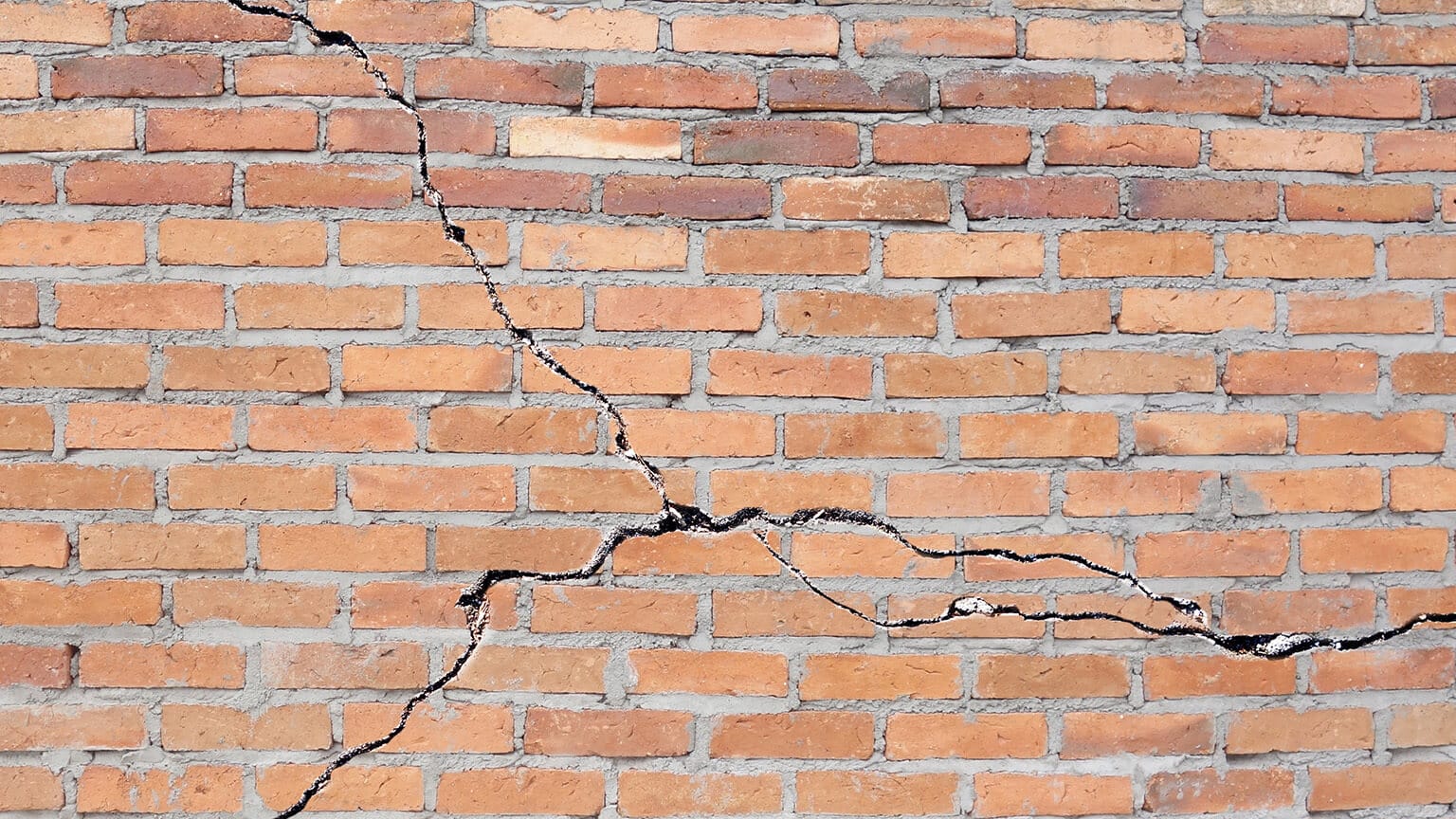
How Freezing Soil Can Damage Your Foundation in New England
Winter in New England brings more than snow and ice; it brings pressure. As temperatures drop and moisture in the soil begins to freeze, your home’s foundation faces some of the most extreme conditions of the year. That frozen ground doesn’t just sit still; it shifts, expands, and contracts with every temperature swing, putting strain on the concrete that supports your entire home.
If you’ve ever noticed new cracks in your basement walls or doors that stick more during the colder months, it might not be a coincidence. The freeze-thaw cycle can cause real, lasting damage to your foundation. And this damage only gets worse if left unchecked.
Understanding how frozen soil affects your home is the first step toward preventing costly repairs down the road.
What Happens When Soil Freezes
When temperatures drop below freezing, the moisture in the soil around your home doesn’t just harden; it expands. This natural process, known as frost heave, can exert thousands of pounds of pressure on your foundation walls. The more moisture present in the soil, the more dramatic the expansion when it freezes.
As the ground swells, it pushes laterally and vertically against your foundation. Then, when temperatures rise again, even briefly, the soil thaws and settles. These constant shifts create stress points in your foundation, especially in older homes or those with drainage issues.
In areas like Massachusetts and Rhode Island, where winter temperatures regularly rise and fall above and below freezing, this cycle repeats itself dozens of times each season. And with each cycle, the structural integrity of your foundation is tested a little more.
The Impact on Your Foundation
Your foundation wasn’t built to flex and shift with the soil. Over time, the repeated expansion and contraction caused by freezing ground can lead to visible and structural damage.
One of the most common results is cracking in basement walls, floors, and the foundation itself. What starts as a hairline fracture can quickly widen as pressure builds from frozen soil pressing against the exterior. Vertical and stair-step cracks are especially common and can indicate movement or settling.
In some cases, this pressure can also cause sections of the foundation wall to bulge or bow, particularly in block foundations. Once the wall begins to move inward, it compromises the structure and makes the home more vulnerable to water intrusion.
And when the ice melts, all that moisture has a clear path into your basement. Cracks become channels, and weakened seals around pipes or footing joints allow water to seep in. This seepage will lead to musty odors, mold growth, and further deterioration.
Signs Your Foundation May Be Shifting
Some signs of foundation damage are easy to spot, while others develop slowly over time. In winter or early spring, when freeze-thaw cycles are most active, keep an eye out for changes inside and outside your home.
Cracks in basement walls or floors are often the first visible clue. These may start small but widen as pressure builds or moisture seeps in. If you notice new cracks forming after a cold snap, that’s a strong indicator that freezing soil is at play.
Inside the home, signs like sticking doors or windows, uneven floors, or gaps between baseboards and the wall can point to foundation movement. You may also notice damp spots, white staining (efflorescence), or water pooling in the basement after a thaw.
If any of these symptoms appear or worsen during the winter months, it’s time to take a closer look before minor issues become major repairs.
Why These Problems Get Worse Over Time
Foundation damage caused by freezing soil rarely fixes itself. In fact, the longer it’s left alone, the more it spreads.
Each time the ground freezes and thaws, it widens existing cracks and exposes new weak points. Moisture from melting snow or rain slips into these openings, and when temperatures drop again, that water freezes, expands, and breaks the concrete down further from the inside. This cycle repeats itself year after year, turning small cracks into major structural concerns.
What starts as a bit of seasonal shifting can lead to permanent damage like bowed walls, sagging support beams, or chronic water intrusion. And the longer the foundation is left under stress, the more costly and complex the repair becomes.
Early detection and intervention are key. The sooner you address these issues, the more control you have over the cost, timeline, and outcome.
How Drycrete Can Help
At Drycrete, we understand the toll New England winters can take on your foundation. That’s why we offer a full range of solutions designed to stop damage from freeze-thaw cycles before it gets worse.
If your foundation has developed cracks, we provide targeted crack repair to seal out moisture and restore structural integrity. For homes with signs of water intrusion, our interior waterproofing systems help redirect groundwater away from the foundation, even during heavy snowmelt or early spring rain.
We also install high-performance sump pump systems, vapor barriers, and dehumidifiers to keep your basement dry and healthy year-round. And because we’re a local company, we know exactly how to build systems that stand up to the freeze-thaw conditions unique to Massachusetts and Rhode Island.
No matter what winter throws at your home, Drycrete is ready to protect it from the ground up.
Protect Your Home Before the Next Freeze
Freezing soil and shifting ground are a natural part of winter in New England, but foundation damage doesn’t have to be. If you’ve noticed new cracks, water seepage, or signs of movement in your home, now is the time to act.
Drycrete has helped thousands of homeowners across Massachusetts and Rhode Island protect their foundations with reliable, long-lasting solutions. Whether you need crack repair, interior waterproofing, or a full basement protection system, our team is here to help.
Don’t wait for the next deep freeze to make a small problem worse. Contact Drycrete today to schedule your free foundation inspection and get peace of mind before winter sets in.