At Drycrete Waterproofing we believe in giving homeowners the tools to make informed decisions about the safety, longevity, and value of their property. We know that at times water management around your home can seem overwhelming, but it doesn’t have to be. The goal of this blog is to pull back the curtain on everything waterproofing and basement contracting so you never have to wonder why your basement is wet again.
Your basement's air doesn't stay in the basement. Warm air rising through your house pulls basement air up with it, carrying along whatever moisture is sitting in that space. This piece looks at what EPA research says about damp indoor conditions, where that moisture actually comes from, and what a basement slab replacement does to stop it.
An old or damaged basement slab can raise questions during a sale, whether it's a buyer's inspection or the negotiation that follows. Here's what to know before your home hits the market.
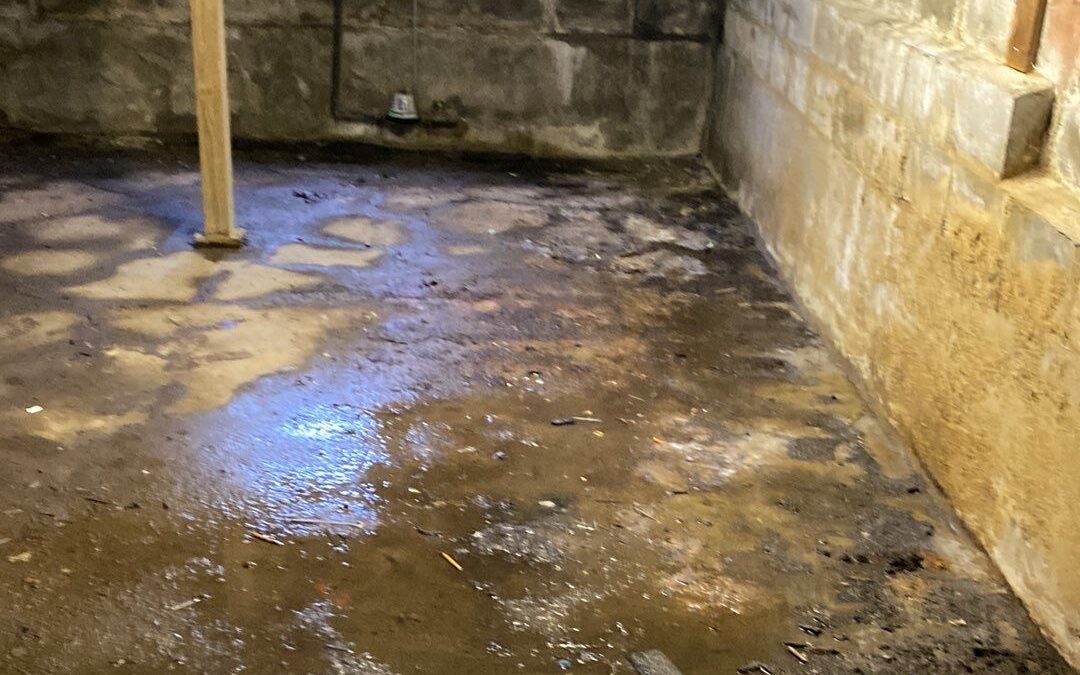
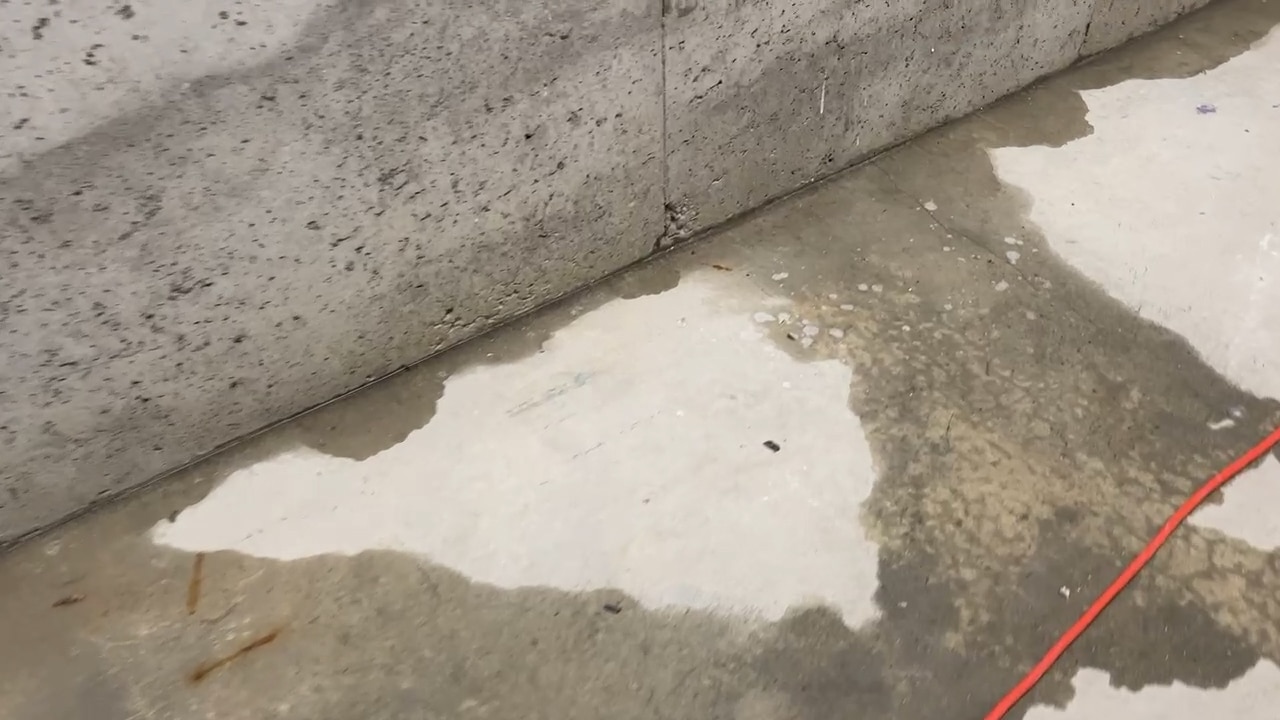
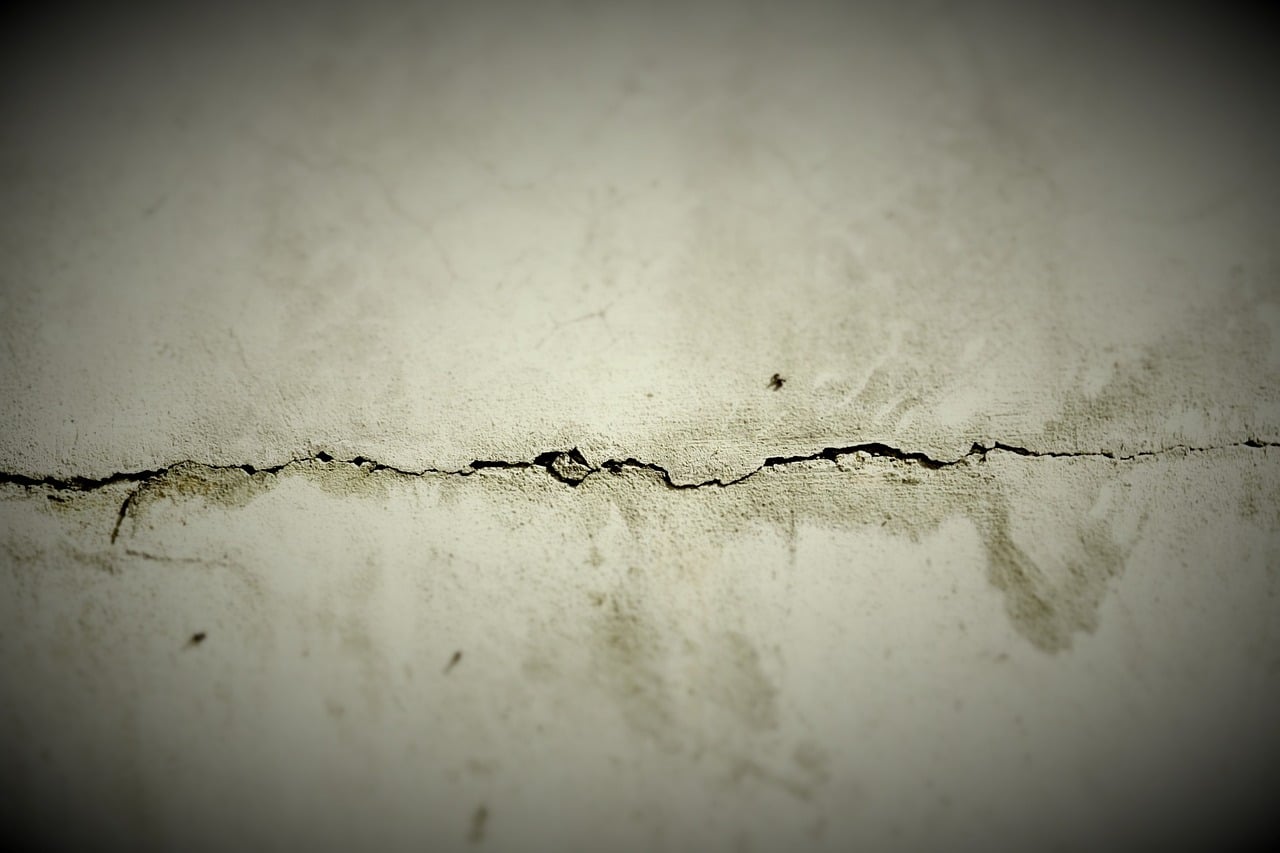
A slab that keeps failing shows up as damp floors, reopening cracks, or a musty smell that won't clear. Here's how to spot the signs and what a real fix looks like.
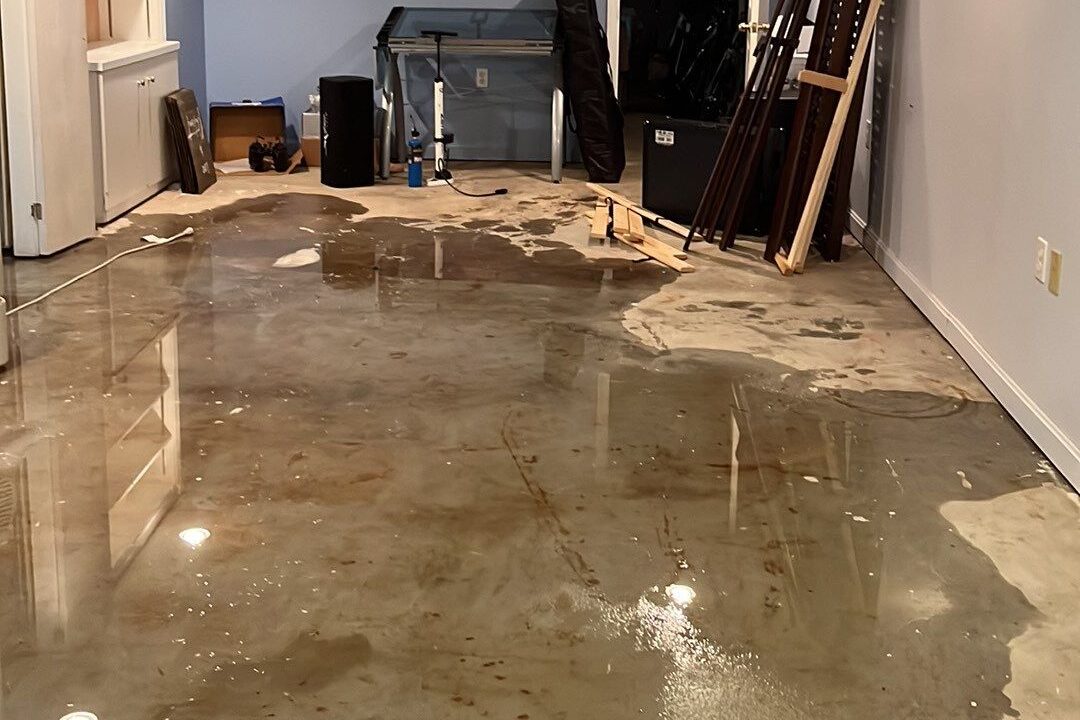
Not every wet basement has the same cause. After more than 11,000 jobs across Eastern Massachusetts and Rhode Island, Drycrete Waterproofing breaks down the four reasons water gets in, and why the same crack sometimes keeps coming back.
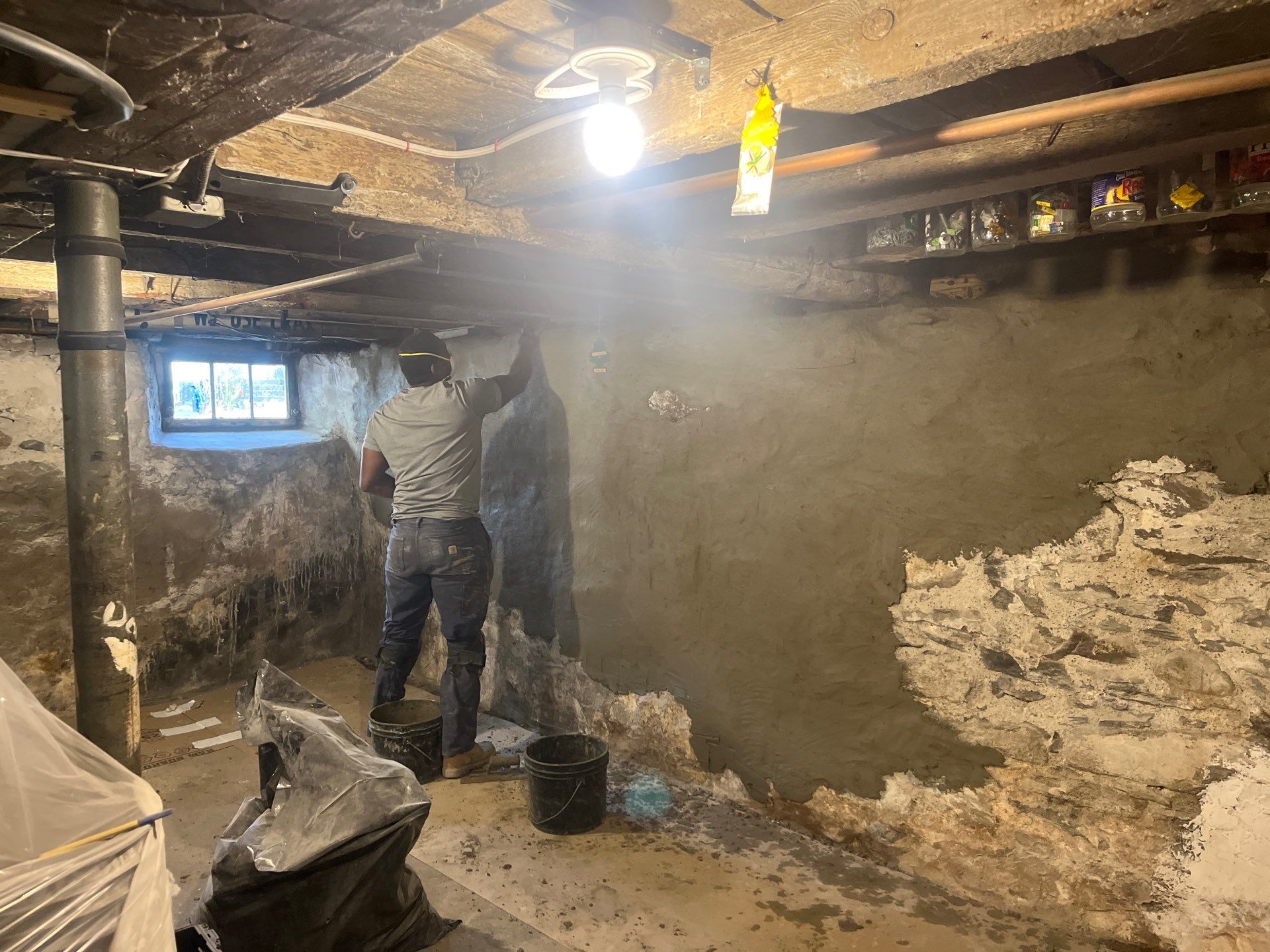
Older homes across Massachusetts and Rhode Island sit on fieldstone foundations that were never designed to keep water out the way modern construction does. Here's what homeowners need to know about why they leak and how they're repaired.
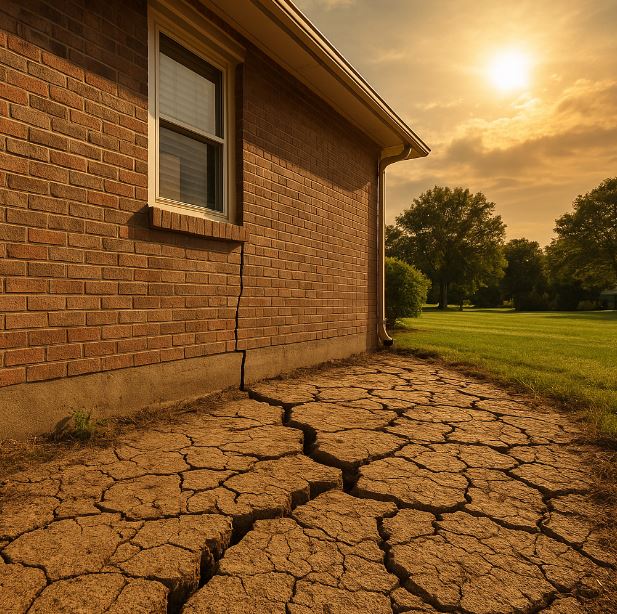
Spring is the hardest season for basements in Massachusetts and Rhode Island. Snowmelt and rainfall arrive at the same time, clay soil holds water against the foundation for weeks, and cracks that widen over winter become active leaks under pressure.
Massachusetts and Rhode Island basements deal with freeze-thaw cycles, spring snowmelt, summer humidity, and saturated fall soil, often back to back. Here's why that makes waterproofing here a different problem than it is almost anywhere else.
When New England winters finally release, the water they leave behind has to go somewhere. Here's what sustained snowmelt does to basements in Massachusetts and Rhode Island, and what homeowners can do about it.
Record cold does its damage quietly. Before spring snowmelt puts your foundation to the test, here is what to inspect in your basement and foundation after an extreme cold snap.
Hi there, have a question? Text us here!
Text Us!
By submitting this form, I authorize Drycrete Waterproofing to call or text me at the phone number provided regarding services using automated technology. I understand that consent is not a condition of purchase. Msg & data rates may apply.